Grease trap cleaning removes fats, oils, grease, food waste, and sludge before they block commercial drains. It helps restaurants protect kitchen plumbing, control odors, prevent backups, and keep wastewater moving. The right schedule depends on trap size, kitchen use, menu type, local rules, and grease production.
Restaurant plumbing problems can interrupt meals, staff work, customer service, and daily income. A small drain issue may soon cause a foul odor, slow sink, or wastewater backup. Good grease control helps stop these problems before they reach the main sewer line.
Valparaiso Plumbing helps commercial property owners understand their drainage needs. The team can help owners choose suitable plumbing support. This guide explains how grease traps work, what causes trouble, and when a licensed plumber should inspect the system.
Table of Contents
- What is grease trap cleaning, and why does it matter?
- How does a grease trap work in a restaurant?
- How often should a restaurant grease trap be cleaned?
- What are the warning signs that a grease trap needs service?
- What causes grease traps and commercial drains to clog?
- What does professional grease trap cleaning involve?
- How should restaurant owners plan grease trap service?
- How can restaurant owners prevent grease-related plumbing problems?
- When should a restaurant call a commercial plumber?
- Key takeaways for managing grease traps and commercial drains
- Frequently Asked Questions
What is grease trap cleaning, and why does it matter?
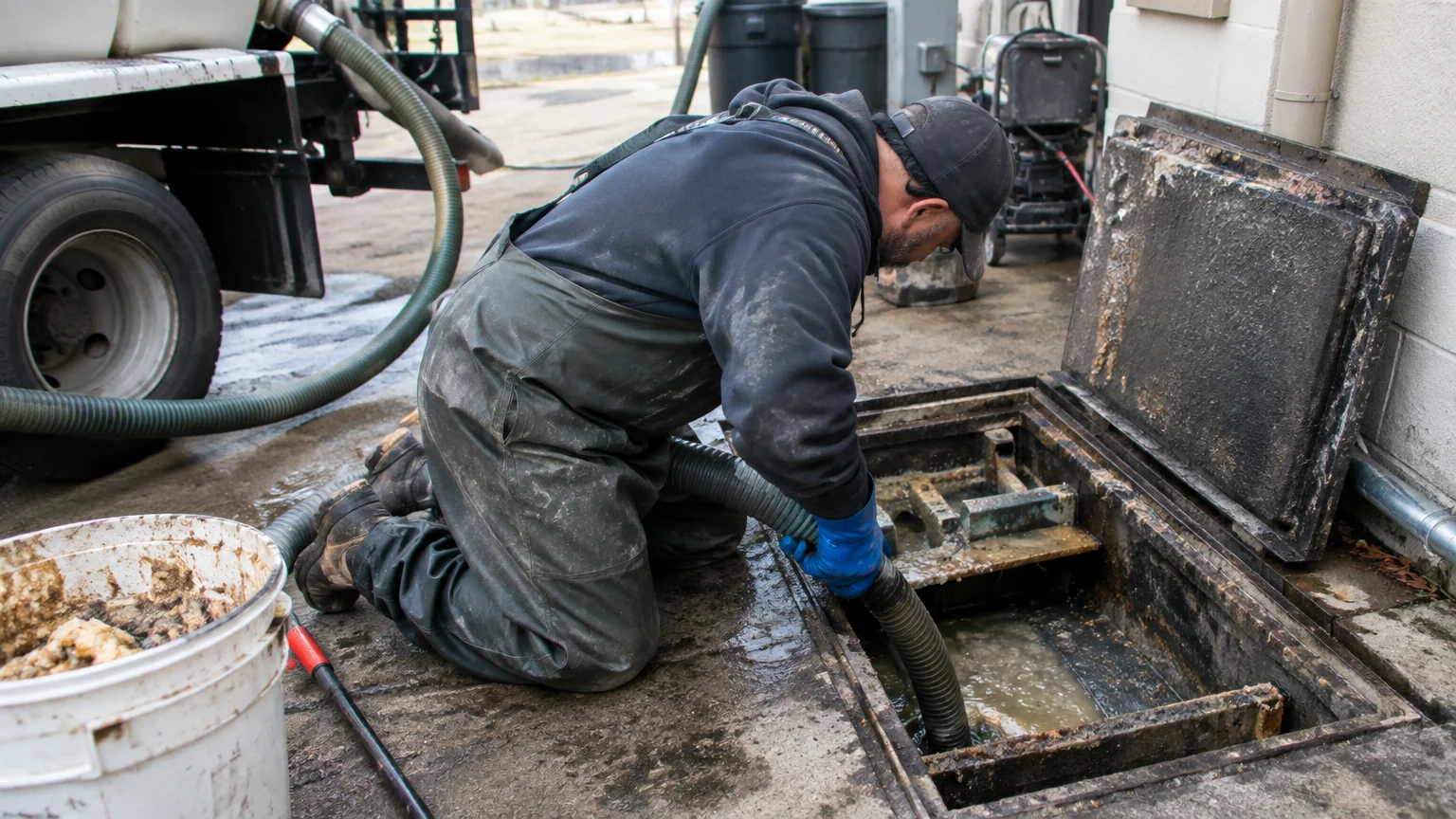
Grease trap cleaning means removing grease, solids, and wastewater waste from a trap or interceptor. A grease trap is a device that slows kitchen water. This lets grease rise and heavy waste settle before water enters the drain system. Cleaning removes the collected waste so the trap can keep working.
How grease traps protect commercial plumbing systems
Commercial kitchens send large amounts of water and food waste into drains. Fats, oils, and grease can cool inside pipes. They stick to pipe walls and collect food scraps. Over time, this layer narrows the pipe and slows water flow.
A working trap catches much of this waste near the kitchen. This helps protect branch drains, sewer lines, and pumping equipment. It also gives kitchen staff a clear place to control grease waste.
Grease trap cleaning supports the rest of the drainage system. It does not replace good kitchen habits or regular drain checks. Both steps help protect a busy restaurant from avoidable clogs.
What happens when fats, oils, and grease are not removed
A full trap may stop separating grease well. Grease can then move into connected plumbing. This may cause odors, slow sinks, floor drain backups, or dirty water in work areas.
Blocked drains can also create health and safety concerns. Wet floors may become slippery. Bad smells may affect staff and customers. Early service is usually safer than waiting for a serious blockage.
A trap that is ignored may also affect the main sewer line. A blockage farther down the system can be harder to find. Restaurant owners should treat repeated symptoms as a sign that the full drain path needs review.
How does a grease trap work in a restaurant?
A grease trap works by slowing wastewater so grease and solids separate from water. Grease floats, heavy solids settle, and clearer water leaves through the outlet. The trap needs enough space and good flow control to work properly.
The role of separation, retention, and wastewater flow
Kitchen water enters through an inlet. Baffles reduce the speed of the flow. Grease rises to the top, while heavy food particles settle at the bottom. The middle layer then moves toward the outlet.
This is not a complete treatment system. It cannot hold unlimited grease or food solids. When the trap is too full, separation becomes poor. Strong water flow can also carry grease through before it settles.
Staff should keep large food scraps, oil, and grease out of sinks. Scraping plates first helps the trap last longer between services. Strainers can catch solids before they enter the plumbing.
Water temperature also affects grease. Hot water may move grease through one part of the system. The grease can then cool and stick to pipes farther away. Hot water is not a replacement for proper waste control.
Interior traps versus exterior grease interceptors
An interior trap is often installed near sinks or beneath kitchen fixtures. It is smaller and may fill faster. An exterior grease interceptor is larger and sits outside or underground. It may serve more fixtures and a bigger kitchen system.
The correct cleaning method depends on the unit design. Access covers, baffles, inlet pipes, and outlet pipes need careful checks. A commercial plumber can identify the equipment and inspect connected drains.
Owners should know where the trap is located. Access should stay clear for safe inspection. A covered or blocked access point can delay service when a backup occurs.
How often should a restaurant grease trap be cleaned?
A restaurant should clean its grease trap before grease and solids use too much working space. There is no single schedule for every kitchen. The right interval depends on trap size, wastewater flow, menu, staff habits, and local rules.
Factors that determine a safe cleaning schedule
A small trap below a busy sink may fill quickly. A large outdoor interceptor can hold more waste but still needs regular checks. A kitchen that serves fried food often sends more grease into its system than a kitchen with a lighter menu.
Warning signs should not be ignored because the next planned visit is later. Odors, slow drainage, and rising water may show that the trap needs attention now. Service records help owners see how fast the trap fills.
Restaurant owners should review local requirements and property rules. Local authorities, landlords, or wastewater providers may set specific expectations. A licensed commercial plumber can help create a practical maintenance plan.
The final schedule should match the actual kitchen. It should not be copied from another restaurant. Changes in staff, equipment, menu, or business volume may require a new schedule.
Why kitchen volume and menu type affect service frequency
A high-volume kitchen may use several sinks, dishwashers, and cooking stations. Each fixture adds wastewater to the system. Frying, meat preparation, and heavy sauce use can add more grease and solids.
Seasonal changes may affect the trap as well. Busy events can increase kitchen use. A new fryer or dishwasher may change wastewater flow. The cleaning plan should change when the kitchen changes.
A restaurant owner can track odors, slow fixtures, and visible buildup. These notes help show whether the current plan is working. If symptoms appear before each planned visit, the schedule may be too long.
What are the warning signs that a grease trap needs service?
The main warning signs include strong odors, slow drains, repeated backups, visible grease, and rising wastewater. These problems may mean the trap is full, damaged, or too small for current use. Prompt inspection can help stop a small issue from reaching the sewer line.
Odors, slow drains, and wastewater backups
A sour or rancid smell near a trap can point to old grease and food waste. Odors may also come from a blocked vent or drain line. Air fresheners do not fix the source. The trap and connected plumbing need inspection.
Slow sinks and floor drains are another warning. If several fixtures slow down at once, the issue may be farther down the system. Wastewater backing up near a dishwasher or prep sink needs quick attention.
A toilet that keeps running is a separate plumbing issue. It can still raise water use and strain a commercial property. Staff should report all plumbing changes, even when they seem unrelated to grease.
Visible buildup, overflow, and changes in trap performance
Grease on the trap lid, around access points, or near drains suggests poor containment. Water around the unit may mean an overflow, loose cover, blocked outlet, or damaged seal. Staff should not open a full trap without safe equipment and proper training.
Cleaning drain vinegar baking soda methods may help with light household odors. They are not a substitute for commercial grease control. Vinegar and baking soda cannot remove a full trap or deep grease blockage. Harsh drain chemicals may also harm plumbing parts or create safety risks.
If an odor returns soon after cleaning, the problem may not be the trap alone. A branch drain, vent, seal, or main building drain may also need attention. Repeated symptoms call for a wider inspection.
What causes grease traps and commercial drains to clog?
Commercial drains clog when grease, food solids, soap, and other waste collect faster than the system can remove them. Poor kitchen habits are common causes. Damaged pipes, weak flow, and poor trap design can also play a part.
Improper disposal practices in restaurant kitchens
Pouring cooking oil into a sink is a common cause of grease trouble. Oil may look liquid when hot, but it can cool inside a pipe. Greasy pans, sauces, and food scraps add more material.
Kitchen teams should scrape plates into waste containers. Used cooking oil should go into approved containers. Sink strainers can catch solids. Staff should know that hot water only moves grease for a short time.
Soap may break grease into smaller pieces. Those pieces can travel farther through the system. This may move the problem instead of removing it.
How food solids, detergents, and damaged plumbing contribute to blockages
Food solids can settle inside a trap or drain. Detergents may carry grease farther into the system. Crushed, offset, or sagging drain pipes may hold waste and slow flow.
Tree roots can affect buried sewer lines outside the building. A blocked vent may also cause poor drainage and odors. When trap cleaning does not solve the issue, Drain Cleaning Services may help locate the source.
Repeated clogs may point to a drain repair need. Clearing the same blockage again and again may not solve a damaged pipe or poor slope. A full inspection can show whether the issue is caused by waste or by the plumbing itself.
What does professional grease trap cleaning involve?
Professional grease trap cleaning usually includes inspection, removal of liquid and solid waste, scraping, washing, and a check of connected plumbing. The work depends on the trap type, access, condition, and amount of buildup.
Inspection, pumping, scraping, and waste removal
The technician first identifies the trap and checks access points. The trap may then be pumped or emptied with suitable equipment. Hardened grease and settled solids may need removal from internal surfaces.
The baffles, lid, inlet, outlet, and seals should be checked. A damaged baffle can affect separation. A blocked outlet can cause backups. The technician may note repairs or closer monitoring that may be needed.
Waste must be handled under applicable local rules. Restaurant owners should keep service records. These records show when cleaning occurred and whether the trap is filling faster than expected.
A business owner should ask what was found during service. The answer can help staff change disposal habits. It can also show whether the next visit should happen sooner.
Why drain lines and connected plumbing may also need attention
Cleaning the trap does not always clear grease farther down the line. If drains remain slow, the branch line or main building drain may need inspection. A plumber may use drain cleaning equipment to remove buildup and restore flow.
Repeated blockages may need a deeper review. A camera inspection can help find damaged pipe, root entry, poor slope, or a separated joint. Emergency Drain Cleaning may be needed when wastewater backs up into a kitchen or customer area.
The trap and the rest of the drainage system work together. Cleaning only one part may leave waste in another. A complete review is useful when the same problem keeps returning.
How should restaurant owners plan grease trap service?
Restaurant owners should plan service around trap conditions, kitchen use, inspection findings, and local requirements. The best plan reduces the chance of overflow without relying only on emergency response. A written schedule should be reviewed when the menu, equipment, or business volume changes.
What should be recorded after each service?
Records should note the service date, trap location, visible buildup, waste level, drain condition, and follow-up advice. Staff can also record odors, slow fixtures, and backups between visits. This information helps show patterns.
Owners should keep access areas clear. A hidden or blocked cover can delay service and make inspection harder. Equipment changes should be shared with the plumbing contractor because a new dishwasher or fryer can change wastewater flow.
The final plan should reflect the property, not a general calendar. Valparaiso Plumbing can help restaurant owners review symptoms, equipment, and drainage concerns before work begins.
The city of Valparaiso has many restaurants with different kitchen layouts. A plan that works for one site may not suit another. Owners should use actual records to guide future service.
Why service planning helps protect operations
Planned maintenance reduces the chance of a sudden kitchen shutdown. It also gives staff time to prepare safe access and protect food areas. A planned visit may find a damaged part before it causes a major backup.
Owners should not judge service only by whether water flows today. A trap may still be close to full when drains seem normal. Inspection and records give a clearer view of system condition.
A good plan also helps owners prepare for busy periods. Events, holidays, and menu changes can increase kitchen waste. A review before those changes may prevent avoidable trouble.
How can restaurant owners prevent grease-related plumbing problems?
Restaurants can prevent many grease problems by keeping food solids and oil out of sinks, training staff, and checking drains often. Simple habits work best when every shift follows the same process.
Kitchen practices that reduce fats, oils, and grease entering drains
Useful practices include:
- Scrape plates and pans into waste containers before washing them.
- Collect used cooking oil in approved containers.
- Use sink strainers to catch food solids.
- Wipe greasy cookware before washing it.
- Keep trap covers sealed and access areas clear.
- Report slow drains and odors as soon as they appear.
Hot water and soap should not be treated as a grease removal plan. They may carry grease into cooler pipes. Chemical drain products can also create risks for workers and damage some plumbing materials.
Staff should also avoid washing large food scraps into floor drains. Floor drains may seem out of the way, but waste can still collect in connected lines. Every shift should follow the same disposal steps.
Maintenance records, staff training, and routine inspections
New staff should learn how the kitchen drainage system works. Training should explain what belongs in a sink and what belongs in a waste container. Supervisors can check these habits during busy shifts.
Routine inspections should include sinks, floor drains, dishwashing areas, the trap, and nearby pipes. A property owner should also check for leaks, corrosion, odors, and standing water. Good records make changes easier to spot.
The same care helps with related plumbing. A P-trap in plumbing is the curved pipe section that holds water and blocks sewer gases. P traps in plumbing can collect debris when drains are poorly maintained. They should be checked when fixtures drain slowly or smell bad.
Owners can safely handle simple checks, such as looking for visible leaks, clearing a sink strainer, and keeping access clear. They should not open unsafe equipment, use harsh chemicals, or enter an exterior interceptor without proper training.
When should a restaurant call a commercial plumber?
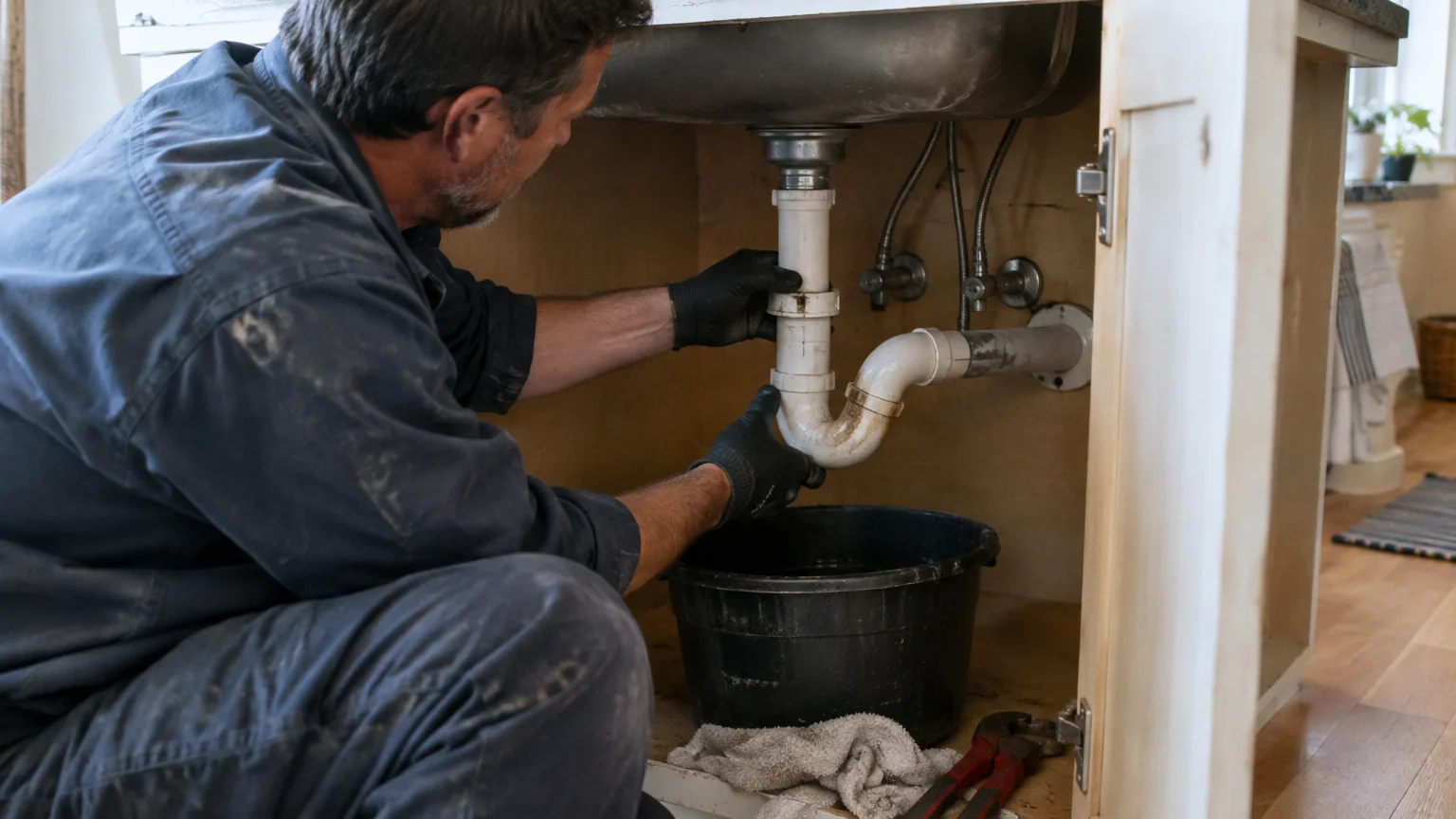
A restaurant should call a commercial plumber when drains back up, several fixtures slow down, odors return after cleaning, or the trap overflows. Professional help is also needed when a trap is damaged, access is unsafe, or the cause of a blockage is unclear.
Situations that require prompt professional attention
Urgent signs include wastewater on a kitchen floor, sewage odors, repeated backups, a blocked main drain, or water near electrical equipment. Staff should stop using affected fixtures when continued use could spread dirty water.
Gas concerns need separate care. If staff suspect a gas leak, they should leave the area, avoid switches and flames, and follow local emergency guidance. A plumber can handle gas line plumbing, but workers should not test a suspected leak with a flame.
A toilet that keeps running may need a worn flapper, fill valve, float, or another part. It is not usually caused by a grease trap. It still wastes water and needs repair when simple adjustment does not help.
How licensed plumbing support helps protect operations and property
A qualified commercial plumber can assess the whole drainage path. This may include the trap, branch drains, vents, sewer connection, and fixtures. The goal is to find the cause, not only clear the nearest blockage.
Professional support is useful for leased spaces, older buildings, food service sites, and properties with repeated problems. It can help owners protect kitchens, reduce disruption, and plan repairs around business needs.
Valparaiso Plumbing works with property owners who need help understanding commercial drainage issues. The right support can make it easier to decide between grease trap cleaning, drain cleaning, drain repair, or emergency plumbing.
Key takeaways for managing grease traps and commercial drains
- Grease trap cleaning removes grease, solids, and sludge before they enter commercial drain lines.
- The right schedule depends on trap size, kitchen use, menu type, and local requirements.
- Odors, slow drains, visible buildup, and backups need prompt attention.
- Staff should scrape food, collect oil, use strainers, and keep grease out of sinks.
- Repeated blockages may involve drain lines, vents, damaged pipes, or sewer connections.
A practical grease trap maintenance checklist
Restaurant owners can review the trap after service, confirm that access is clear, check nearby drains, and record signs of buildup. Staff should report odors, slow flow, overflow, or unusual sounds. The checklist should also include training for new workers and a review after menu changes.
The property owner should keep service records and ask whether connected drains need inspection. If a trap fills much faster than expected, the cause may be disposal habits, equipment changes, or a plumbing defect.
Simple upkeep can be done by trained staff. They can scrape dishes, clean strainers, watch for leaks, and report changes. They should leave pumping, internal cleaning, unsafe access, and deep clogs to a qualified professional.
Questions to ask before scheduling professional service
Owners should ask what type of trap the property has, whether connected drains will be checked, how waste will be handled, and what warning signs require faster service. They should also confirm that the work suits a commercial kitchen and its access limits.
For restaurants in the main Valparaiso area—from Downtown Valparaiso and Aberdeen to Chesterton, Porter, Hobart, Crown Point, and nearby communities—clear planning can help protect kitchen operations. Valparaiso Plumbing serves commercial property owners who need practical guidance for grease traps, blocked drains, and related plumbing problems.
Frequently Asked Questions
Can baking soda and vinegar clean a restaurant grease trap?
No. Baking soda and vinegar may help with a light household odor. They cannot remove a full commercial grease trap or clear heavy grease from a long drain line. Restaurant owners should use proper waste controls and arrange professional service when the trap is full, blocked, or overflowing.
How often should a commercial kitchen inspect its grease trap?
The trap should be checked often enough to find rising grease, food solids, odors, and slow flow before an overflow occurs. The schedule depends on trap size, menu, kitchen volume, and local rules. Written records help owners adjust the plan when conditions change.
What should restaurant staff do during a grease trap backup?
Staff should stop using affected sinks and equipment. They should keep people away from dirty water and protect food and electrical areas. They should not pour chemicals into the drain. A commercial plumber should inspect the trap and connected lines to find and remove the blockage safely.
Can a grease trap cause bad smells in a restaurant?
Yes. Old grease, food solids, poor seals, blocked vents, or a full trap can cause strong odors. Cleaning may solve the problem when buildup is the cause. If the smell returns soon after service, the connected drain, vent, or trap may need more inspection.
Does grease trap cleaning also clear the main sewer line?
Not always. Cleaning removes waste from the trap, but grease may also be present in branch drains or the main building sewer. If fixtures remain slow or backups return, the plumbing system may need drain cleaning, camera inspection, or sewer line repair.
Conclusion
Grease traps protect restaurant plumbing by separating grease and solids from wastewater. They need the right schedule, good kitchen habits, clear records, and prompt attention when warning signs appear. Cleaning the trap alone may not solve a deeper drain or sewer problem.
Restaurant owners in Valparaiso can use regular inspections to protect staff areas, customer spaces, and daily operations. Contact us to discuss grease trap cleaning and commercial drain support from Valparaiso Plumbing.