A sudden high water bill can mean your household used more water, a fixture is leaking, or the meter reading needs review. Compare the bill with past bills, check toilets and faucets, and look for damp spots. If water is still flowing or damage is growing, shut off the safe-to-reach supply and get plumbing help.
Table of Contents
- Why might your water bill suddenly increase?
- How can you tell if a sudden high water bill points to a leak?
- What should you check first inside your home?
- How can you use your water meter to check for a hidden leak?
- Can a running toilet or water heater cause a high bill?
- When does a high water bill signal a plumbing emergency?
- What should you do after discovering a sudden high water bill?
Why might your water bill suddenly increase?
A higher bill can follow a change in water use, a leak, a faulty fixture, or a billing issue. Compare the current bill with earlier bills first. Check the dates covered and the meter reading. A sudden jump does not always mean a pipe has burst, but it does need a careful check.
Changes in household water use
More people staying at home, extra laundry, longer showers, or more lawn watering can raise water use. A new appliance or a pool being filled can also affect the bill. Think about what changed during the dates shown on the bill, rather than only what is happening today.
Some changes are easy to miss. A guest may use a bathroom that is rarely used, or the household may run extra loads of laundry. If your home has an irrigation system, review its schedule. Check whether it ran during rainy weather or while nobody was home.
In Valparaiso, seasonal habits may change how much water a home uses. Residents may water lawns more often or fill pools. Still, do not assume a new routine explains a large bill without checking for leaks. Valparaiso Plumbing can help property owners look into a plumbing problem when a pipe or fixture may be wasting water.
Leaks, faulty fixtures, and billing issues
A small leak can keep running for a long time without leaving a puddle. Toilets, outdoor faucets, water heaters, and pipes under sinks are common places to check. A meter reading or an estimated bill can also make the total look unusual. Review the dates and reading details on the bill.
If you can safely reach the meter, compare its current display with the bill. The readings may differ because they were taken on different days. If the bill does not match your household use, ask the water provider to explain the reading and billing period.
How can you tell if a sudden high water bill points to a leak?
A leak is more likely when the meter shows water use while all fixtures are off. Damp areas with no clear cause are another clue. Listen for dripping or running sounds, and notice musty smells or a toilet that refills on its own. Some leaks stay hidden, so a dry-looking room does not rule one out.
Signs of a visible leak
Check under sinks, around toilets, near the water heater, and beside exposed pipes. Look for drops, rust, warped cabinet floors, peeling paint, or water stains. A faucet that drips after it is turned off can waste water over time. A wet spot near a pipe may point to a bigger problem.
Listen when the home is quiet. Hissing, trickling, or running water may come from a toilet tank or a pipe behind a wall. Do not open walls or take equipment apart to find a leak. A qualified plumber can trace the source and explain possible repairs.
Clues that water may be leaking behind walls or underground
A warm patch on the floor, a damp wall, or a new musty smell can point to hidden water. Outside, a soggy patch that stays wet in dry weather may mean a buried water line is leaking. A sudden drop in water pressure can also happen with a leak, though other plumbing problems may cause it.
If the ground is wet near a service line, do not dig. Utility lines may be nearby, and the leak may not be on your side of the meter. Note where the water appears and whether the wet area changes. Share those details with the water provider or a plumber.
A hidden leak can harm wood, drywall, floors, and stored items before it becomes easy to see. If a stain grows or water reaches electrical equipment, treat it as urgent. Shut off water only if the valve is safe to reach, then seek help.
What should you check first inside your home?
Start with common fixtures that can leak without much noise: toilets, faucets, showerheads, and water-using appliances. Check each area for damp spots, running sounds, or steady drips. These checks are safe for many homeowners and may help narrow down the cause before a service visit.
Toilets, faucets, and appliances
Listen near each toilet after it finishes flushing. If the tank keeps filling or water moves into the bowl without a flush, the toilet may be leaking. A dye test can help. Put a few drops of food coloring in the tank, wait without flushing, and check whether color appears in the bowl.
Look under sinks and around toilet bases for dampness. Check washing machine hoses, dishwasher connections, and refrigerator water lines if your home has them. Do not pull out a heavy appliance or touch wet electrical parts. Stop if a check feels unsafe or needs tools you do not know how to use.
A faucet aerator is the small screen at the end of some faucets. Dirt can block it and lower the flow. You may clean one if it comes off easily and the faucet is in good shape. If several fixtures have low pressure, or low pressure comes with a new high bill, a pipe leak or supply problem may need a closer look.
Outdoor faucets, irrigation, and pools
Check outdoor faucets for drips, and make sure hoses are not left running. Look at visible irrigation heads and valves. Water spraying the wrong way or pooling on the ground may show a problem. A stuck sprinkler valve can keep water flowing when the system should be off.
Pools and decorative water features may need more water from time to time. Still, unusual water loss deserves a closer look. Check the equipment area and review any automatic fill system. Do not adjust buried irrigation lines or pool plumbing if the work means digging or changing electrical parts.
If you know how to use the controls, you can turn off an irrigation schedule for a short check. If the meter still shows water use after indoor and outdoor fixtures are off, keep looking into the cause. Do not assume the bill is only a seasonal change.
How can you use your water meter to check for a hidden leak?
A water meter test can show whether water is flowing when the home should not be using any. Turn off faucets, appliances, irrigation, and other water uses, then watch the meter. Movement suggests water is passing through it, but the test cannot show where a leak is or prove its cause.
Prepare for a meter test
Choose a time when nobody needs water for a short while. Make sure dishwashers, washing machines, ice makers, and irrigation systems are off. Ask everyone at home not to flush toilets or use faucets during the check.
Find the meter and note its reading or flow marker. Meter locations differ, and covers may be heavy or hard to open. Do not enter a small enclosed space or handle a meter that looks damaged. If you cannot reach it safely, ask the water provider for guidance.
Wait briefly, then check whether the display has changed or its flow marker is moving. If it has, turn off the main water valve only if it is safe and familiar to use. Check the meter again. The result may help show whether the problem is inside the home or past that valve.
Understand what a meter reading can and cannot confirm
A moving meter is a useful clue, not a full answer. It cannot point to a pipe location, explain a faulty fixture, or prove the meter is accurate. Some equipment uses small amounts of water on its own, so check that household devices are not running.
If the meter stays still, that does not rule out every leak. A leak that comes and goes may stop during the test. A leak after the meter will usually show as water use. Write down the time and readings, then compare them with the bill and any later checks.
Do not force a stuck shutoff valve or remove a meter cover that seems unsafe. A damaged valve can make a leak worse. A plumber can test the plumbing and help find a hidden leak rather than guess from the bill alone.
Can a running toilet or water heater cause a high bill?
Yes. A running toilet can send water from its tank into the bowl without a normal flush. A leaking water heater can waste water or damage nearby surfaces. Check both when a bill rises without warning, but do not take apart gas or electrical equipment.
Common fixture and appliance problems
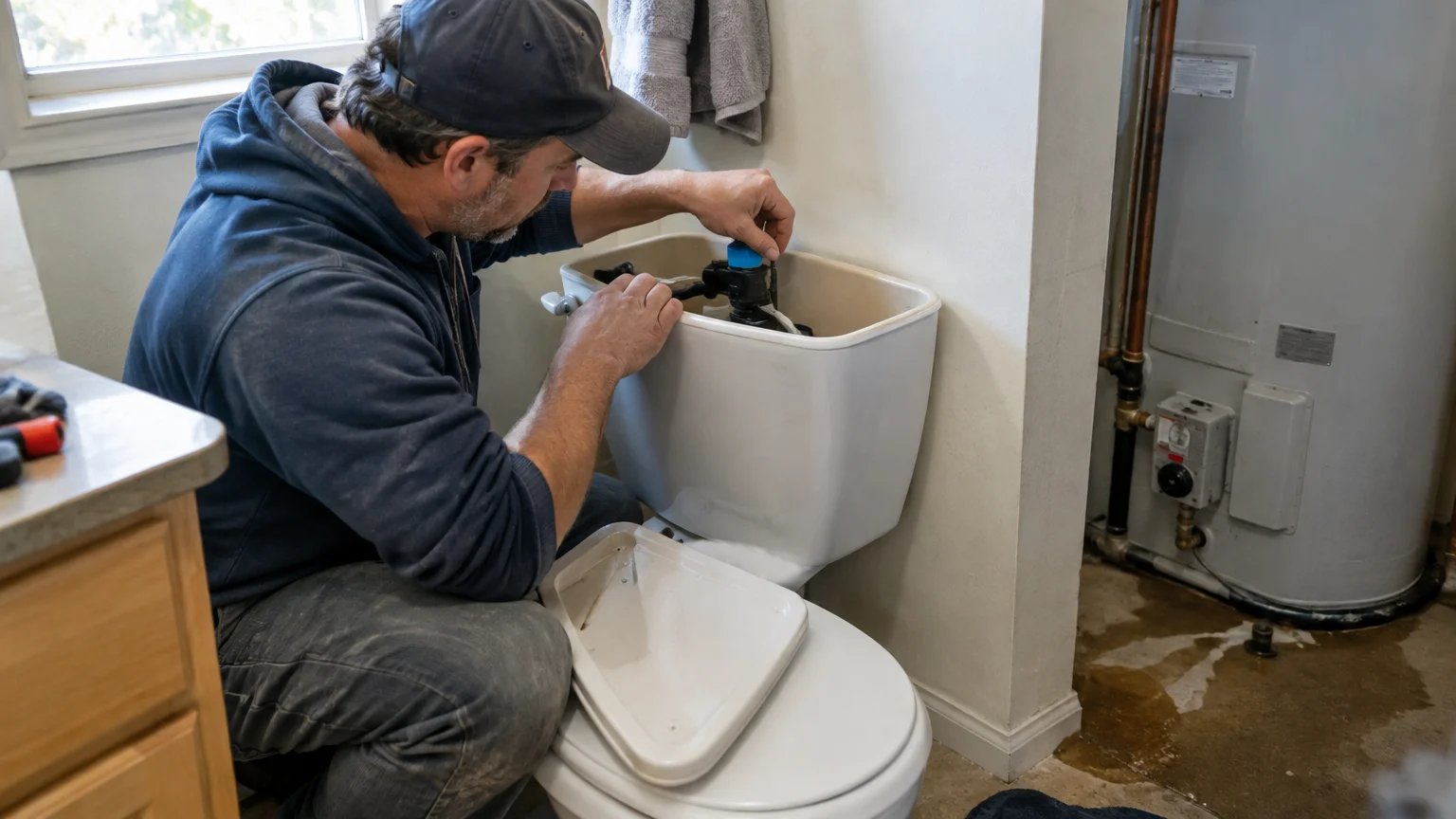
Toilets may keep running because a flapper does not seal, a fill valve sticks, or the water level is too high. You can look inside the tank and see whether parts move freely. If a simple adjustment does not stop the flow, Toilet Repair may be needed to find and fix the problem.
Faucets and showerheads may drip when a washer or cartridge wears out. You may clean a removable aerator or tighten a loose handle if the work is simple and safe. Ongoing drips, water under a fixture, or a sudden pressure change needs a closer check.
Dishwashers, washing machines, and refrigerator lines can leak at a hose or connection. Look for moisture while the appliance is off, but do not touch a wet plug or move a heavy machine alone. If a hose is split or water is spreading, close the nearest safe shutoff valve and seek help.
Water heater leaks and unexpected discharge
Water near the bottom of a water heater may come from the tank, a pipe connection, or a drain valve. It may also come from a discharge pipe that releases water due to pressure or heat. The source matters, so do not treat every puddle as a harmless drip.
If the heater leaks from the bottom, keep people away from hot water and wet electrical parts. Turn off the heater’s water supply only if its valve is easy to reach safely. Gas and electrical controls can be dangerous. Do not remove covers or try to repair them.
A water heater that leaks, makes new sounds, or stops providing hot water needs prompt attention. Water Heater Repair may address a faulty unit. Water Heater Installation may be an option if repair is not suitable. Tankless water heaters also need the right size, safe venting, and proper setup. Installation must follow local rules and the maker’s instructions.
When does a high water bill signal a plumbing emergency?
A high bill becomes an emergency when water is harming the property, will not stop, or creates an immediate safety risk. A burst pipe, fast-growing leak, sewage backup, or water near electrical equipment needs urgent attention. A bill by itself, without damage or danger, usually calls for careful checks rather than panic.
Warning signs that call for urgent action
Treat these signs as urgent:
- Water pours from a pipe, ceiling, or fixture and will not stop.
- A ceiling bulges, a wall gets soaked, or flooring starts to buckle.
- Sewage backs up into a tub, sink, toilet, or floor drain.
- Water reaches outlets, electrical appliances, or a breaker panel.
- A strong gas smell or hissing sound may point to a gas leak.
A gas leak is not the same as a water leak and needs different safety steps. Do not use flames, switches, or appliances if you suspect gas. Leave the building and move away. Contact emergency services or the gas utility from a safe place. Do not try to test for a gas leak yourself.
For a major water leak, use the main shutoff only if it is safe and you know how. If water is near electrical equipment, do not step into it or touch switches. Emergency Plumbing can help with urgent leaks, backed-up drains, and other active plumbing problems. Drain cleaning can address some drain clogs, but sewage or water near electrical parts needs urgent care.
Steps to limit water damage while waiting for help
Move people and pets away from the affected area. If safe, put a bucket under a small drip and move belongings away from wet floors. Do not stand under a sagging ceiling or handle wet electrical devices. Take photos from a safe place to record visible damage.
If the water shutoff is safe to reach, turn it off and tell others in the building. A shutoff near one fixture may stop that leak without cutting water to the whole property. If the valve sticks, do not force it. A broken valve can make the problem worse.
Valparaiso Plumbing helps homeowners and businesses facing urgent plumbing problems. A plumber can check the source, explain the repair, and help limit further water damage. Do not wait for another bill if water is still flowing or the property is becoming unsafe.
What should you do after discovering a sudden high water bill?
First, compare the bill with past water use and check the dates covered. Then inspect visible fixtures, test the meter if it is safe, and write down what you find. If water is actively leaking, damage is spreading, or anyone may be in danger, stop using the fixture and get urgent plumbing help.
Document the bill, meter readings, and suspected problem
Keep the bill and note its start and end dates, meter readings, and whether the reading was actual or estimated. Write down the current meter display with the time and date. Take photos of damp areas, dripping fixtures, or meter changes, but stay away from unsafe spaces.
Make a short list of recent changes, such as visitors, extra laundry, irrigation, or a new appliance. This can help separate a real increase in water use from a leak or billing issue. If the reading seems wrong, ask the water provider to review it and explain how it checks the meter.
Do not assume the water provider or plumber will know the clues you saw. Share when the noise began, which fixtures you checked, and whether the meter moved while water was off. These details can help make the next check more focused.
Key takeaways
- A sudden high water bill may come from changed water use, a leak, or a reading issue.
- Check toilets, faucets, appliances, outdoor taps, and irrigation first.
- A meter test can show water flow but cannot find or diagnose a leak.
- Water near a heater, active pipe damage, or sewage backup needs prompt help.
- Avoid DIY work on gas, electrical, hidden, or unsafe plumbing systems.
Frequently Asked Questions
What causes a sudden high water bill when nothing changed?
A hidden leak, running toilet, faulty appliance connection, or incorrect meter reading can raise a bill even when household habits seem the same. Check fixtures and compare the meter reading with the bill. If the meter moves while water use is off, ask the water provider or a plumber to help investigate.
How can a homeowner check for a hidden water leak?
Turn off water-using fixtures and appliances, then watch the meter for movement. Also look for damp spots, stains, musty smells, or toilets that refill without being flushed. A meter test can suggest water is flowing, but a plumber may be needed to find a hidden pipe leak.
Can a running toilet cause a high water bill?
Yes. A toilet can leak from its tank into the bowl without making much noise. Listen for refilling and check whether water moves in the bowl when nobody is using it. A simple dye check can show a tank leak, but a toilet that keeps running may need repair.
What should someone do if a water heater is leaking from the bottom?
Keep people away from hot water and wet electrical parts. If the water shutoff is easy to reach safely, turn it off, but do not remove heater covers or work on gas or electrical controls. A plumber can check whether the leak comes from the tank, a connection, or a discharge line.
When should a high water bill be treated as an emergency?
Treat it as urgent when water is spreading, a pipe has burst, sewage backs up, or water reaches electrical equipment. Shut off water only if the valve is safe to use. If you suspect gas, leave the building and contact emergency services or the gas utility from a safe place.
Conclusion
A high bill is a warning, but it does not point to one cause by itself. Check household water use, inspect easy-to-reach fixtures, and write down meter readings. For active leaks, water damage, or a problem you cannot safely identify, Contact us to get help from Valparaiso Plumbing.
A careful check can help show whether the change came from water use, a meter issue, or a plumbing problem. In Valparaiso, keep an eye on fixtures and outdoor water systems, and act quickly if you find active water damage. Valparaiso Plumbing can help you understand what needs attention.
If you are not sure what you are dealing with, it is worth having someone look at it before it turns into a bigger job. Find out more about our emergency plumbing in Valparaiso. Get in touch with Valparaiso Plumbing today and we will tell you where you stand.