The safest way to learn how to shut off water during a plumbing leak emergency is to protect people first. Close the nearest fixture valve or main shut-off valve if the area is dry and safe. Turn off power only from a dry location, open a faucet to lower pressure, and call a licensed plumber when water keeps spreading or the valve fails.
Table of Contents
- What should you do first during a plumbing leak emergency?
- Where is the main water shut-off valve located?
- How do you shut off the main water supply?
- When should you use a fixture shut-off valve instead?
- How can you relieve pressure after shutting off the water?
- What should you do if you cannot find or operate the shut-off valve?
- How do you handle electrical and water damage risks?
- What plumbing leaks require immediate professional repair?
- What happens after the water has been shut off?
- How can you prepare for a future plumbing leak emergency?
- Frequently Asked Questions
What should you do first during a plumbing leak emergency?
Protect people and pets before you protect belongings. Move everyone away from standing water, wet floors, falling ceiling pieces, and damaged walls. Never touch electrical items while standing in water. A leak under a sink may be small, but water near an outlet needs great care.
Protect people, belongings, and electrical areas
Keep children and pets out of the affected room. Move small items to a dry place only when the path is safe. Buckets and towels can help with a small amount of water when no electrical danger exists. Do not enter deep water, climb into a flooded space, or touch a wet appliance.
Leave the area if water is close to outlets, panels, appliances, or light fixtures. Turn off the main electrical panel only from a dry location. If you must cross water to reach it, leave the property and call the electric utility or emergency services.
Confirm whether the leak is active and worsening
Look for the source without opening walls or pulling up flooring. Water may come from a supply pipe, drain, water heater, toilet, appliance, or roof area. A supply leak often continues when no fixture is running. A drain leak often appears only when water flows.
Take a photo or short video from a safe place. This can help a plumber understand what happened. Valparaiso Plumbing helps property owners when a leak is hard to find or water damage is spreading.
Where is the main water shut-off valve located?
The main water shut-off valve controls water entering the property. It is often close to the point where the service pipe enters the building. Common locations include a basement, crawl space, garage, utility room, mechanical room, or outside wall near the water meter.
Common indoor and outdoor valve locations
In cold areas, the main valve is often indoors to help prevent freezing. It may also sit near an outside meter box or on an exterior wall. Multi-unit buildings may have one valve for each unit and another for the whole building. Commercial properties may have several valves for separate areas.
The valve may be behind a small access panel. Never enter a locked utility room without permission. Tenants should ask the landlord or property manager where the valve is before an emergency happens.
How to identify the main shut-off valve
The main valve is usually on the pipe before water reaches the rest of the building. A gate valve has a round wheel. A ball valve has a lever. The main valve is not the small valve under a sink or behind a toilet.
Do not confuse it with a pressure regulator, drain valve, or outdoor hose connection. If you are not sure, a licensed plumber can find and label the right valve. Knowing its location can save time during a burst pipe emergency.
How do you shut off the main water supply?
Turn the valve clockwise until it stops, but do not force it. A gate valve may need several turns. A ball valve usually closes when its handle crosses the pipe. Open a faucet after closing the valve to check whether the water slows and stops.
Turning a gate valve or ball valve
Use these steps when the valve is easy to reach and the floor is dry:
- Stand on a dry surface and keep a clear path to an exit.
- Turn a round gate valve clockwise by hand until it stops.
- Turn a ball valve one quarter turn so it crosses the pipe.
- Open a nearby cold-water faucet to check for water flow.
- Watch the leak for several minutes to see if it slows.
Some water may remain inside the pipes. It can continue to drain after the supply is closed. The flow should not keep getting stronger or stay at full force.
What to do when the valve will not turn
Do not use a wrench or pipe tool on a stuck valve. Too much force can break the valve or the pipe beside it. Do not heat the valve, hit it, or spray an unknown product on it.
Call a licensed plumber if the valve drips, cracks, or will not close. Valparaiso Plumbing supports leak detection and plumbing repair across Valparaiso and nearby areas, including Downtown Valparaiso, Aberdeen, Chesterton, Porter, Hobart, and Crown Point. A professional can isolate the system and replace a failed shut-off valve safely.
When should you use a fixture shut-off valve instead?
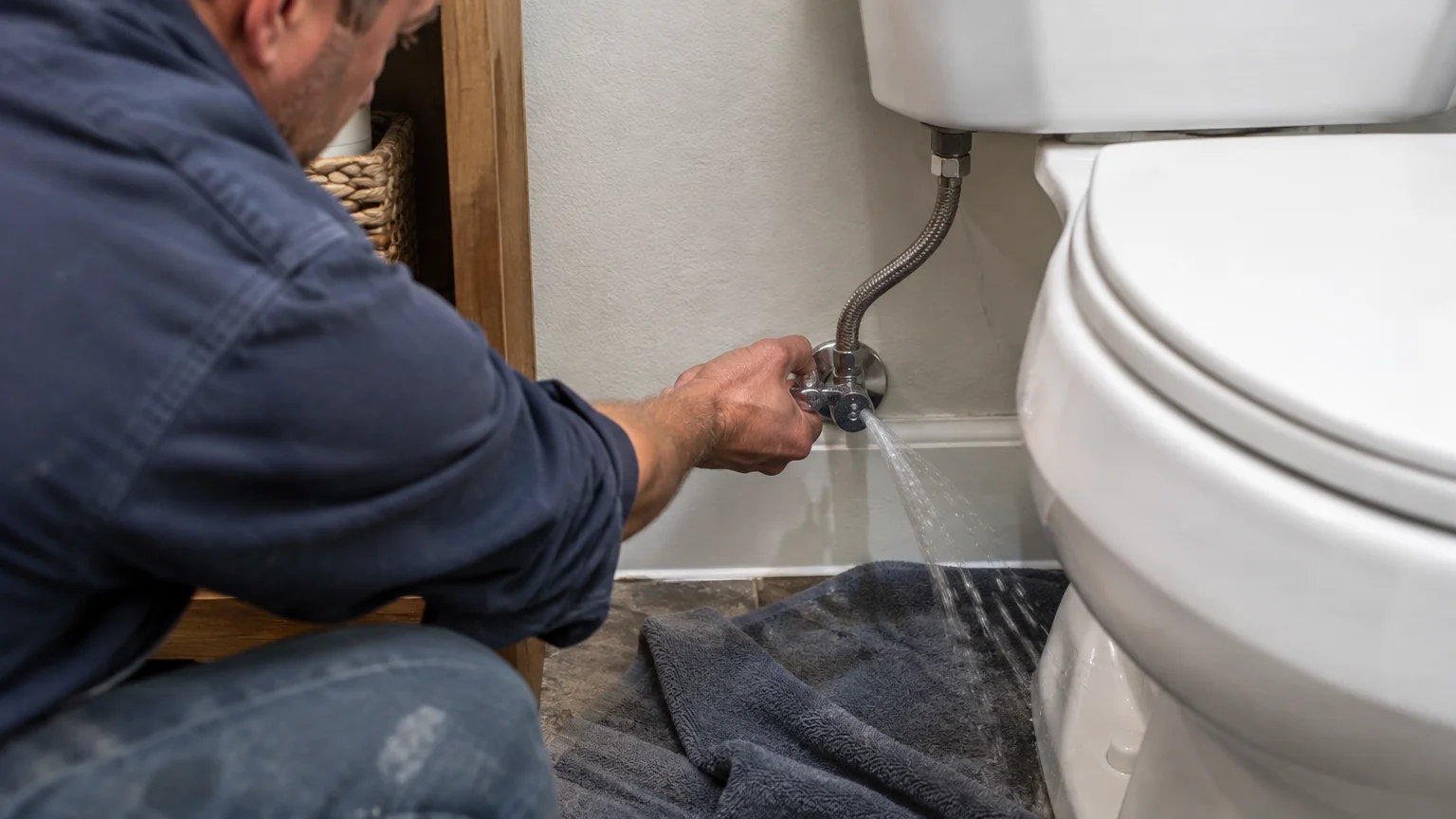
Use a fixture valve when one item is leaking and the valve is easy to reach. This limits the water loss and lets the rest of the property keep working. Fixture valves are common on toilets, sinks, dishwashers, washing machines, and some water heaters.
Toilet, sink, appliance, and water heater valves
A toilet valve is usually on the wall below the tank. A sink valve sits under the cabinet. Appliance valves may be behind or beside the appliance. Water heater valves are near the cold-water pipe that enters the tank or unit.
Turn a round handle clockwise, or move a lever so it crosses the pipe. Stop using the fixture after closing the valve. If a toilet supply line sprays, close its valve first. If the leak continues, close the main supply when it is safe.
How to isolate a leak without shutting off the whole property
Isolation means closing water to one fixture while leaving other areas in use. It works well when the leaking fixture is clear. However, a fixture valve cannot stop a hidden pipe leak inside a wall or floor.
For a leaking water heater, close the cold-water inlet valve. Turn off the energy source only when the instructions allow it and the area is safe. If there is a gas smell, leave right away and contact the gas utility or emergency services. Do not operate switches or make a flame.
How can you relieve pressure after shutting off the water?
Opening a safe faucet after closing the supply lets water drain from the pipes. This can lower pressure at the leak and reduce trapped water. It will not remove water from walls, ceilings, insulation, or floors.
Opening faucets and flushing toilets safely
Open the cold faucet closest to the leak when the area is dry. A faucet on a lower level may help drain water from upper pipes. Flush a toilet only when its supply is closed and the bowl is not close to overflowing.
Do not open a faucet near exposed electrical equipment. Do not use hot water if the water heater may be empty while its energy source remains on. Ask a plumber for guidance when you cannot tell which parts of the system are safe.
Why pressure relief helps limit ongoing leakage
Water inside a pressurized pipe may keep escaping after the main valve closes. Draining some water can slow the flow. It may also make later plumbing repair work safer by reducing water movement through the damaged pipe.
Pressure relief is not a repair. A cracked pipe, broken connector, or hidden leak still needs an inspection. Drying the room without fixing the source can lead to mold, rot, and damage to the structure.
What should you do if you cannot find or operate the shut-off valve?
Check building plans, the meter area, the utility room, or landlord records. Tenants should contact the property manager. The local water utility may explain where its public-side valve is located.
Handling stuck, damaged, or inaccessible valves
Never force a rusty valve. A stuck handle may break the valve stem and cause a larger leak. Do not remove a meter cover unless the utility says you may. Keep people away from flooded crawl spaces, pits, and rooms with damaged ceilings.
If water is rising fast, leave the area. Move belongings only when the path is dry and safe. A plumber may need to close water at another point. Commercial properties may also need a facilities manager to isolate separate zones.
When to contact the water utility or an emergency plumber
Contact the water utility when the problem may involve the public supply or meter. Contact an emergency plumber when water enters the building, a private valve fails, or a pipe bursts. Emergency plumbing help is also needed when the leak remains hidden.
Valparaiso Plumbing serves homes, businesses, and rental properties around Valparaiso. A qualified plumber can locate the shut-off point, carry out leak detection, and explain the safest repair plan.
How do you handle electrical and water damage risks?
Water and electricity can cause a serious shock. Treat a wet floor near an outlet, panel, appliance, or extension cord as unsafe. Do not cross the water to reach a switch or unplug equipment.
When it is unsafe to enter a wet area
Leave the room when water is deep, fast, dirty, or near electrical equipment. Leave if a ceiling bulges, flooring moves, or sewage enters the property. Call emergency services if someone is hurt, trapped, or in immediate danger.
Do not use a vacuum, fan, heater, or pump until a qualified person says it is safe. Never touch a fallen wire or damaged gas appliance. These steps protect people while the water problem is brought under control.
Documenting damage and protecting contents
Take photos from a dry place. Write down when the leak began, where water appeared, and which valves were closed. Keep damaged items if an insurance claim may be needed, but do not handle dirty or contaminated materials.
Move clean items only when the path is dry. Dry surfaces with safe equipment after the water source is repaired. Moisture can stay behind cabinets, walls, and flooring, so a proper inspection is important.
What plumbing leaks require immediate professional repair?
A burst pipe, hidden leak, sewer backup, or fast-moving water needs prompt professional help. Even a small drip becomes urgent when it reaches electrical systems, structural materials, or finished rooms.
Burst pipes, concealed leaks, and rapidly spreading water
A burst pipe may release water with strong force. It can damage walls or ceilings quickly. A hidden leak may show as stains, damp smells, peeling paint, warm floor areas, or unexplained water use. These signs need more than surface drying.
Do not cut into a wall unless the area is safe and the repair plan is clear. A plumber can use leak detection tools to narrow the source before opening finished materials. This may limit extra damage.
Water heater, sewer, and gas-related warning signs
A leaking water heater can harm nearby walls and floors. A sewer leak may carry harmful waste and should not be cleaned like fresh water. A gas smell near a water heater or gas line requires immediate evacuation and contact with the gas utility or emergency services.
Do not relight gas equipment after a leak unless the manufacturer and a qualified professional say it is safe. Valparaiso Plumbing can address private plumbing leaks, but gas emergencies must follow utility and emergency guidance first.
What happens after the water has been shut off?
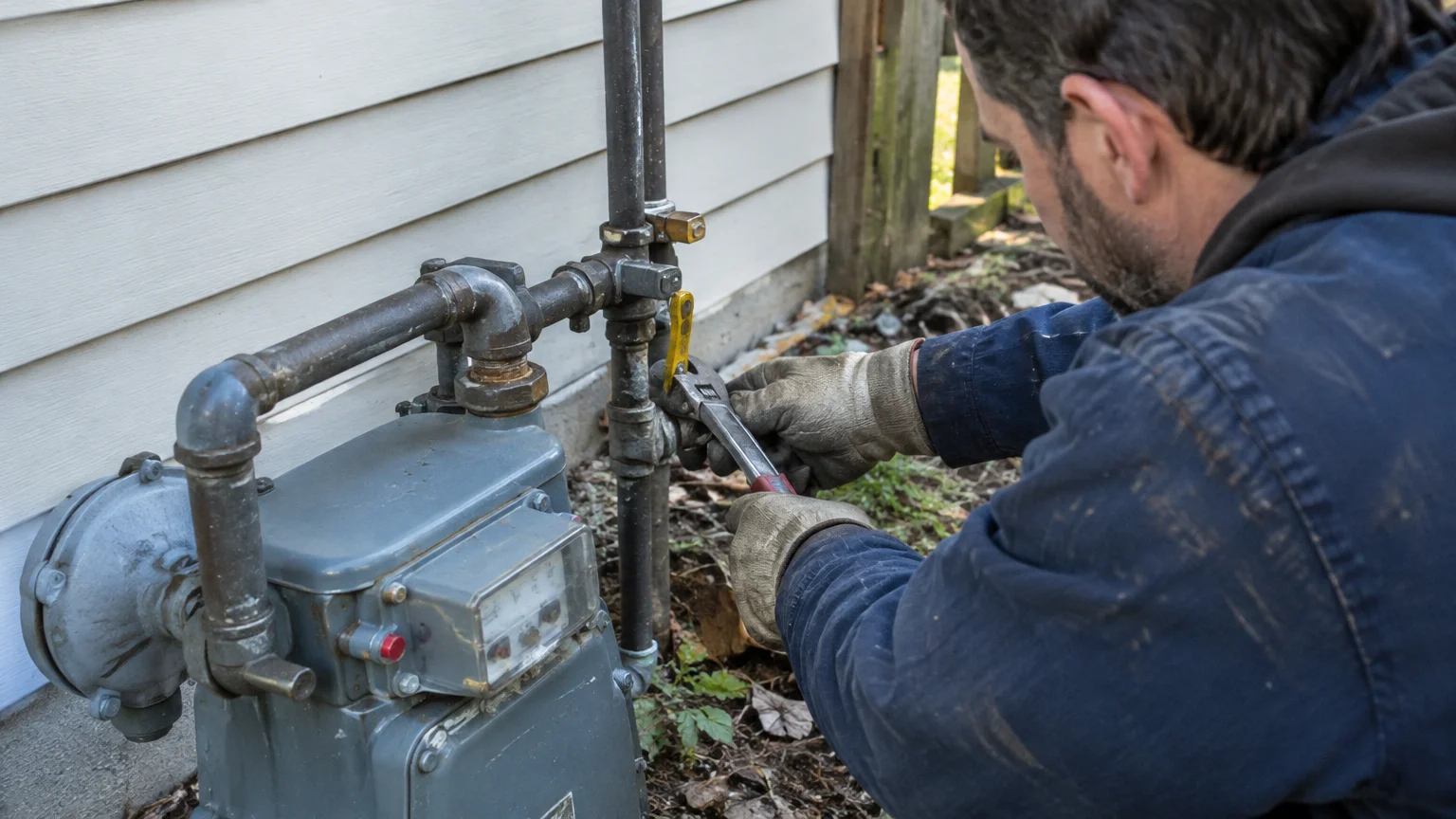
After the water is off, find the source and check the damage. A plumber may inspect pipes, fixtures, valves, walls, ceilings, and equipment. The repair may require a new fitting, a pipe repair, or a small opening to reach a hidden leak.
Inspection, leak detection, and pipe repair options
Leak detection means finding the source and path of unwanted water. It may include pressure checks, moisture readings, visual checks, or other tools. The best method depends on the pipe type, leak location, access, and signs of damage.
A repair plan should fix the failed part and the reason it failed. Corrosion, freezing, movement, weak connections, and age may affect the right repair. Valparaiso Plumbing can help property owners decide whether a small repair or wider pipe work is needed.
Drying affected areas and preventing secondary damage
Begin drying after the leak source is controlled. Remove standing water safely, improve air movement when power is safe, and check cabinets, baseboards, insulation, and floors. Porous materials may hold water even when the surface feels dry.
Watch for musty smells, stains, swelling, and peeling finishes. Fast water damage control may limit later problems. Insurance providers may also ask for photos, records, and prompt notice.
How can you prepare for a future plumbing leak emergency?
Preparation makes a leak easier to control. Every home, rental, and business should know where the main valve is. Keep the valve clear, reachable, and marked.
Labeling valves and testing them safely
Ask a plumber to label the main valve and key fixture valves. Test a valve only when the area is dry and the plumbing system is stable. Turn handles gently and return them to their normal position unless a professional recommends a replacement.
Keep a flashlight, gloves, towels, and bucket in an easy-to-reach place. Make sure adults know the emergency plan. Tenants should keep the landlord and property manager contact process available.
Maintenance steps for homes, rentals, and commercial properties
Regular checks can find trouble before a major leak. Look under sinks, around toilets, near water heaters, and beside appliances. Watch for corrosion, damp cabinets, stains, slow drains, and sudden changes in water pressure.
Useful preparation includes:
- Keep the main shut-off area clear and labeled.
- Check visible supply lines for wear or swelling.
- Replace damaged washers, hoses, and connectors promptly.
- Know which fixtures have local shut-off valves.
- Keep records of repairs and repeated leak signs.
- Arrange a professional inspection when the source remains unclear.
Key takeaways
- Protect people and pets before touching valves or moving belongings.
- Use a fixture valve when one appliance or fixture is leaking.
- Close the main valve when water spreads or the source is unclear.
- Never enter standing water near electrical equipment.
- Get professional help for burst, hidden, sewer, gas-related, or fast leaks.
Frequently Asked Questions
How do you find a water leak in a house?
Check exposed pipes, cabinets, toilets, water heaters, appliances, ceilings, and floors. Look for damp spots, stains, peeling paint, musty smells, or unexplained moisture. If the source is not visible, a licensed plumber can use leak detection methods to find hidden water without guesswork.
What should someone do if a pipe bursts in the home?
Move people away from the water. Close the nearest fixture valve or main valve when it is safe. Avoid wet electrical areas and do not force a stuck valve. Open a safe faucet to lower pressure, then contact a plumber for emergency burst pipe repair and water damage guidance.
How can a homeowner check for water leaks?
Inspect exposed pipes, toilets, faucets, water heaters, appliance hoses, and cabinets. Watch for damp marks, mold-like smells, and changes in water pressure. These checks are safe when the area is dry. Hidden or active leaks need professional inspection.
Should the main water valve be turned off during every leak?
Not always. A small leak from one fixture may stop when its local valve closes. The main valve is better when the source is unclear, water is spreading, or a fixture valve fails. The safest choice depends on access, electrical risk, and leak speed.
How long can a property stay without water after a shut-off?
The answer depends on the property, weather, occupants, and repair needed. Keep the water off until the leak source is inspected and controlled. A plumber can confirm whether part of the system may safely reopen while damaged areas are repaired.
Conclusion
Knowing how to shut off water during a plumbing leak emergency can limit damage and give a plumber a safer start. Protect people first, use the nearest safe valve, avoid electrical hazards, and record what happened. Contact us today to arrange leak detection, emergency plumbing, or pipe repair support from Valparaiso Plumbing.