

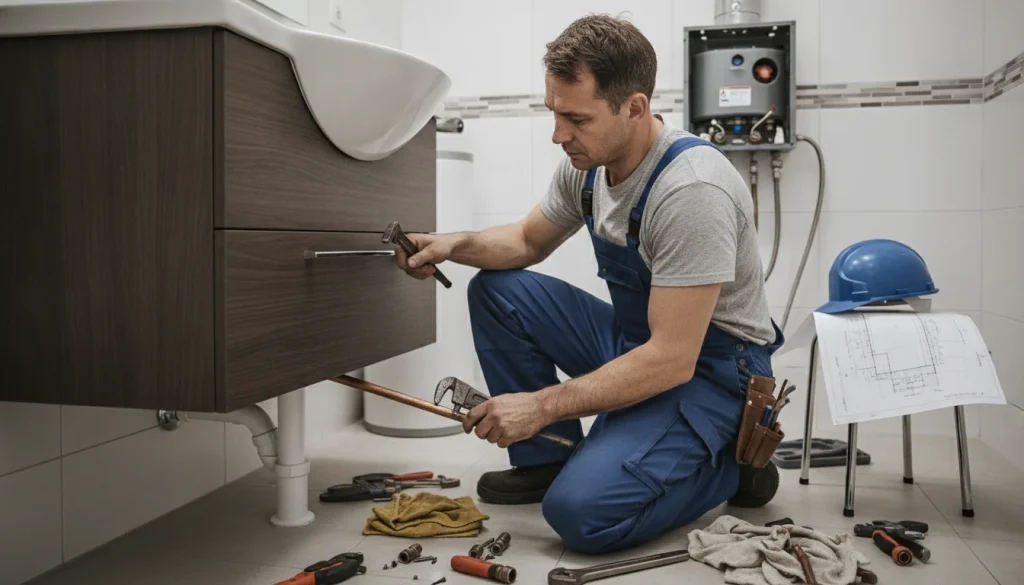
When a small drip spreads across the kitchen floor and cabinets start to swell, the person you choose to fix it matters more than the leak itself. In plain terms, the answer to why hire a licensed plumber is this: a licensed professional has verified training, passes state exams, follows building code, and carries insurance and bonding that protect you in Valparaiso. A licensed plumber is approved by a state board to install, repair, and test plumbing systems safely and legally.
Key Takeaways
- Licensed plumbers bring verified training, permits, and accountability that protect health and property.
- Code‑compliant work reduces risk of leaks, clogs, backflow, and denied insurance claims.
- Detailed quotes and warranties clarify scope, materials, and support after the job.
- Quick license checks with state boards help you confirm status and scope before work starts.
Valparaiso Plumbing works across Valparaiso every week on urgent calls and planned projects. The local team handles Leak Detection, Drain Cleaning, Water Heater Repair, and safe gas line work. For homes and businesses in Valparaiso, that combination of training and responsibility often marks the difference between a clean repair and a second disaster. Valparaiso Plumbing pairs licensed workmanship with documentation that helps owners avoid do‑overs and headaches.
What a Licensed Plumber Is—and Why It Matters
A license is legal proof that a plumber is trained and approved by a state or local board to install, fix, and test plumbing. It confirms the pro understands code, pulls permits when required, and can sign off on work. That matters for health, safety, and property value. When pipes bring potable water in and carry wastewater out, small mistakes can become big problems. This is the practical answer to why hire a licensed plumber when something goes wrong—or before it does.
Code compliance and permits: protecting safety and property value
Building code is the set of rules that keep systems safe. Licensed plumbers follow code and secure permits for jobs that need them. Permits add plan review and inspections, which lower the risk of leaks, cross‑connections, and drain failures. Code requirements reflect public‑health science, such as backflow prevention and water quality protections. Many U.S. cities use versions of the International Plumbing Code published by the International Code Council, which is available to review online. Work completed to code can also support home appraisals and smoother real‑estate transactions.
Insurance, bonding, and warranties: who pays when something goes wrong
A licensed plumber carries proper insurance, which can cover property damage or injury during the job. Bonding provides financial protection if a contractor fails to finish or meet terms. Reputable professionals offer written warranties on labor and specified parts. If a mistake occurs, coverage and warranty terms help determine who pays. Unlicensed work often lacks this safety net and can even void product warranties on fixtures and water heaters.
Costs and Value: How Licensing Impacts Pricing, Risk, and Results
Licensed service is not just a line on a quote. It represents trained labor, safe methods, and fewer do‑overs. Costs vary by job type, accessibility, parts, and time of day. The real value appears in fewer surprises and valid paperwork that protects the owner. When you compare quotes, remember why hire a licensed plumber: reduced risk, correct permits, and documentation that supports insurance and resale.
Licensed vs. unlicensed: true cost comparison and hidden liabilities
An unlicensed offer may appear low at first. But skipped permits or wrong materials can lead to leaks, mold, fines, or denied insurance claims. Those hidden costs often surface later as damage repair or complete re‑work. A licensed plumber plans the job, uses listed materials, and documents the work. That documentation supports insurance coverage if a pipe bursts or a heater fails. It also helps preserve manufacturer warranties, since many require licensed installation.
What a professional quote includes (diagnostics, materials, labor, warranty)
A clear quote from a licensed plumber typically explains:
- Diagnostics and testing steps
- Materials and fixtures by make or specification
- Labor scope and access needs
- Permit requirements and inspection timing
- Cleanup, haul‑away, and site protection
- Warranty terms and how to request service
This level of detail helps owners compare options and reduces mid‑job change orders. For complex tasks like Gas Line Plumbing or Bathroom Installations, these items set fair expectations and keep the site safe.
How to Verify a Plumber’s License and Credentials in the US
Trust starts with a quick check. You can verify a license in minutes for urgent calls and planned projects alike. The goal is simple: confirm who will do the work and that the license is current, active, and in good standing.
Step-by-step verification with state boards and license types to know
State licensing boards list licenses by name, number, and status. You can search by the company or the person performing the work. Follow these steps:
- Ask for the license number and full legal name.
- Check the status on your state licensing site. Many state portals are listed from USA.gov directories.
- Confirm the scope: apprentice, journeyman, or master. Scope defines what work they may do and whether they can pull permits.
- Review any citations or complaints.
- Check insurance and bond certificates by name and policy dates.
If the project involves areas with lead paint, confirm training under EPA’s Renovation, Repair and Painting (RRP) rule for older homes (EPA RRP Program). For water‑heater venting or gas lines, ask about applicable code requirements and pressure testing.
Red flags and essential questions to ask before you hire
Red flags include no license number on paperwork, cash‑only terms, or pressure to skip permits. Vague quotes or refusal to list materials also signal risk. Ask these questions:
- Who holds the license on this job? Will they be on site?
- What permits are required here in Indiana?
- How will you protect floors, walls, and fixtures?
- What is the warranty, and how do I make a claim?
A clear answer builds trust; evasive replies are a cue to walk away. For added peace of mind in Valparaiso, confirm that the name on the permit matches the license you verified.
Protecting Your Property: Choosing the Right Pro for Emergencies and Projects
Stress runs high when a pipe bursts, drains back up, or the water heater quits. A simple process helps you act fast and stay safe. Licensed teams handle Emergency Plumbing calls with the right tools and procedures. For planned work like Kitchen Plumbing, the same rules guide a smooth job.
Hiring checklist for urgent calls and planned installations
When minutes matter:
- Shut off water at the main. Open a faucet to relieve pressure. If gas is involved, leave the area and call your utility from outside.
- Take clear photos of the leak, break, or heater diagnostic panel.
- Ask for the license number and active status. Confirm while you wait.
- Request a written scope for the first visit: stop leak, make safe, then repair.
For planned jobs like Garbage Disposal Repair or Bathroom Installations, also cover:
- Fixture choices, lead times, and venting or trap specifications
- Access plans, dust control, and cleanup
- Permit timing and inspection windows
- Final test results, such as pressure or drain‑flow tests
Contracts, guarantees, permits, and payment terms that keep you safe
A simple contract protects both sides. It should list the scope, permit needs, materials, and warranty. Never pay the full amount before work starts. Tie payments to clear milestones, such as “rough‑in complete and passed inspection.” Keep copies of permits and final inspection cards. For gas line work, insist on documented pressure tests. For water heaters, keep the installation sheet and serial number; many manufacturers require licensed installation for warranty support.
Conclusion
A license is more than a card—it’s proof of training, code knowledge, and accountability. It brings permits, insurance, and records that protect health and property. In Valparaiso and the wider local area, choosing a licensed pro reduces risk and saves time. It also smooths insurance claims and resale—exactly why hire a licensed plumber when the stakes are high. If you search “licensed plumber near me,” still verify the license and insurance; local does not always mean licensed.
Key takeaways
- A licensed plumber protects safety, property value, and warranty rights.
- Permits and inspections reduce hidden risks and future damage.
- Clear quotes outline diagnostics, materials, labor, and warranty support.
- Verify licenses with your state board before any work begins.
- Use written contracts, staged payments, and final inspections.
Frequently Asked Questions
How do I check if a plumber is licensed in my state?
Use your state’s licensing site to search by name or number. Confirm status, scope, and any actions. Many state portals are listed by USA.gov. Ask the plumber for insurance and bond certificates that match the licensed name before work starts.
What should I do first when a pipe bursts?
Shut off the main water valve, then open a faucet to drop pressure. Move items away from the leak and take photos. If water nears outlets, cut power at the main panel only if you can reach it without standing in water. Call a licensed Emergency Plumbing team for safe repairs and a plan to dry the area.
Who can help with bathroom plumbing upgrades in Valparaiso?
Licensed teams manage rough‑in, venting, and waterproofing that keep a bathroom safe. Seek Bathroom Installations service from a local, insured contractor. Ask for permits where required, and get a written scope, parts list, and warranty terms.
Does a licensed plumber need special training for older homes?
Yes. Older homes can include lead paint and unique piping. For painted areas, confirm EPA RRP certification. Ask about experience with galvanized pipe, cast‑iron drains, and safe venting. Licensed pros will describe code‑compliant methods and permit needs.
Ready to protect your property with proven help in Valparaiso? Contact us to schedule service with Valparaiso Plumbing.
If you are not sure which of these you are dealing with, it is worth having someone look at it before it turns into a bigger job. Get in touch with Valparaiso Plumbing today and we will tell you where you stand.