Faucet repair cost depends on the faucet type, damaged part, access, corrosion, and urgency. A worn washer may need a simple fix, while hidden damage can require more plumbing work. This guide explains what affects repair costs, how repair compares with replacement, and when homeowners should call a professional in Valparaiso.
Table of Contents
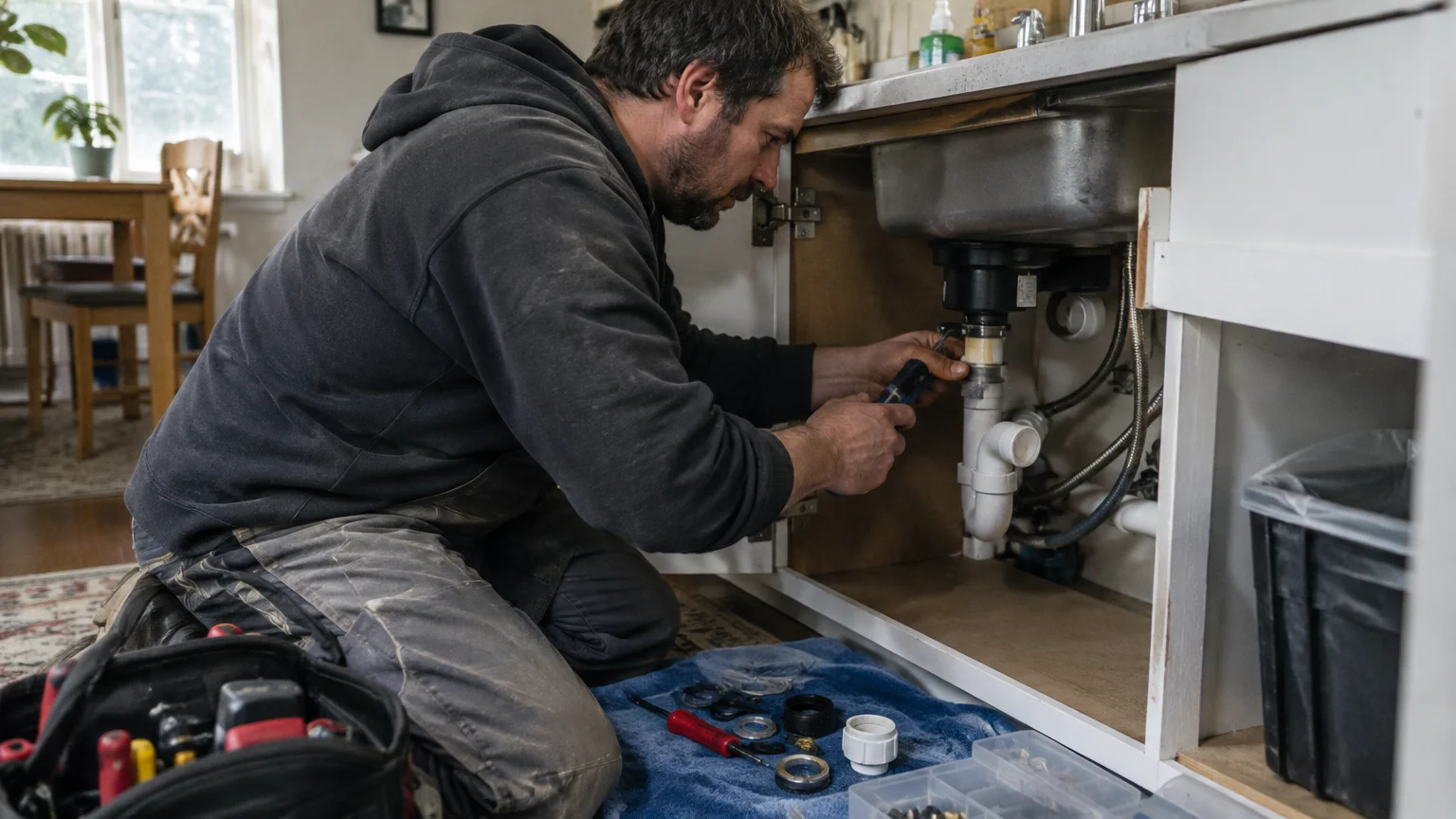
- How much does faucet repair cost?
- What types of faucet problems usually need repair?
- How much does it cost to repair different faucet types?
- What affects the difficulty of a faucet repair?
- Can you repair a faucet yourself?
- When should you repair or replace a faucet?
- How can homeowners prevent expensive faucet problems?
- Key takeaways
- Frequently Asked Questions
- Conclusion
How much does faucet repair cost?
Faucet repair cost changes from one job to the next. The main factors include the faucet type, the broken part, access, corrosion, and how much water damage exists. The final cost is confirmed on a quote after a plumber checks the fixture and nearby pipes.
A washer, seal, or aerator may need a focused repair. A faucet with damaged supply lines or shutoff valves needs more work. These jobs are often more involved than a basic part change, but they may still be simpler than replacing the whole fixture.
What factors influence the total repair cost?
The faucet model is one of the first things to check. Common fixtures often have easy-to-find cartridges, seals, and handles. Older or unusual models may need special parts. Parts can also be hard to remove after years of use.
The faucet location matters as well. A fixture above an open cabinet is easier to reach than one behind a tight panel. A bathroom faucet may leave little room below the basin. A wall-mounted faucet may need careful work because its connections sit behind the wall.
Water damage can add to the repair. A small drip may stain a cabinet, swell wood, or dampen flooring. A leak under a sink may also harm the shutoff valve or supply line. These areas should be checked before the faucet work begins.
Urgency may change the repair needs. A faucet that will not shut off needs prompt attention. A small drip may allow time to find the model and order the right part. Still, homeowners should not ignore a leak just because it seems small.
How does repair compare with faucet replacement?
Repair often makes sense when the faucet body is sound. It is also useful when one replaceable part causes the problem. Replacement may be better when the fixture is badly corroded, keeps failing, or no longer fits the sink.
A replacement involves more than choosing a new style. The fixture must match the mounting holes, supply connections, sink, and available space. The plumber may also check the shutoff valves and flexible lines during the work.
Valparaiso Plumbing helps property owners compare these options. The choice should consider safety, water use, expected service life, and the chance of another repair. The final cost is confirmed on a quote after the needed work is clear.
What types of faucet problems usually need repair?
Most faucet repairs involve leaks, poor flow, loose parts, or damaged inner pieces. The visible symptom may not show the true cause. Water can leak from the spout, handle, base, or connections below the sink.
Leaks, drips, and water pressure problems
A dripping faucet may have a worn washer, seal, cartridge, or valve seat. A leak around the handle may come from a damaged O-ring or loose part. An O-ring is a small rubber ring that seals a joint and keeps water inside.
Water around the faucet base may come from a failed seal or loose mounting hardware. Water below the sink may instead come from a supply line or shutoff valve. Finding the source is important before changing parts.
Low flow may come from a blocked aerator. An aerator is the small screen at the end of many faucet spouts. It mixes air with water and can trap grit or mineral buildup. Cleaning it may restore normal flow.
Low pressure at one fixture may point to a faucet issue. Low pressure across the home may point to a wider problem. Possible causes include a closed valve, blocked supply line, pipe buildup, or trouble with the main water supply.
Loose handles, damaged cartridges, and broken components
A loose handle may only need tightening or a new screw. If the handle turns without changing the water flow, the cartridge or stem may be damaged. A cartridge is an inner part that controls water flow and temperature.
A faucet may also have a cracked sprayer, broken pull-out hose, damaged diverter, or stiff handle. A diverter sends water to different outlets, such as a tub spout or showerhead. These parts can often be changed when the faucet body remains sound.
Do not force a stuck handle. Too much force can break the fixture or damage the valve below it. A lasting leak, sudden loss of flow, or water near electrical equipment needs prompt care.
How much does it cost to repair different faucet types?
Different faucet types have different parts and repair needs. Kitchen, bathroom, shower, and bathtub fixtures may look alike, but their connections and controls can differ. The final cost is confirmed on a quote after the faucet and plumbing are inspected.
Kitchen, bathroom, shower, and bathtub faucets
Kitchen faucets may have pull-out sprays, side sprayers, flexible hoses, or touch controls. These parts create more possible failure points. A loose hose, blocked spray head, or damaged diverter may cause the problem.
Bathroom sink faucets may have one or two handles. They can leak around the base, spout, or handles. Tight space below the basin may make access harder, especially when old fittings or stored items block the work area.
Shower and bathtub faucets may have pressure-balancing valves, diverters, or hidden trim. A pressure-balancing valve helps control temperature when water pressure changes. Repairs may need careful access to the valve body behind the wall.
Commercial fixtures may have sensors, timed shutoff parts, or parts that receive heavy use. Business owners must consider downtime and customer access. Commercial plumbing should be checked when a leak affects a public area or several fixtures.
Single-handle, two-handle, pull-out, and touchless faucets
Single-handle faucets often use a cartridge or ball control. Two-handle faucets may use separate stems or cartridges for hot and cold water. The correct part depends on the maker and model.
Pull-out and pull-down faucets use a hose that moves through the spout. The hose may kink, split, or lose its connection. The spray head may also collect sediment or mineral buildup.
Touchless faucets use sensors, power supplies, and control parts. A sensor issue may not be a water valve issue. Batteries, wiring, or a dirty sensor window can affect operation. Electrical parts need careful handling.
A water heater issue is different from a faucet issue. A plumber for water heater repair may be needed when hot water is missing throughout the property. A faucet repair is more likely when one fixture has a flow or temperature problem.
What affects the difficulty of a faucet repair?
A repair becomes harder when the faucet is hard to reach, connections are corroded, or damage extends beyond the fixture. A careful check helps separate a simple part change from a wider plumbing repair.
Access, fixture condition, and plumbing connections
Under-sink access is often limited by cabinets, drawers, storage, or a deep basin. The plumber needs room for tools and must protect the cabinet from water. Clearing the area can make the first check easier.
Old fixtures may have mineral deposits or corrosion around nuts and threads. Corrosion is damage that happens when metal reacts with water, air, or chemicals. Corroded parts may not loosen easily and can break during removal.
Supply lines and shutoff valves should be checked too. A new faucet cannot work safely if an old connection leaks or the valve will not close. Replacing nearby parts may prevent another leak after the faucet repair.
A faucet mounted through stone, tile, or a thick counter needs extra care. The mounting surface must stay protected. A professional can also check for moisture beneath the counter or inside the cabinet.
Parts availability, corrosion, and hidden damage
Correct parts matter. A similar-looking cartridge may not seal if its size or shape is different. The brand and model can help identify the right component. A clear photo and a note about the symptoms can help with the first assessment.
Hidden damage is common after a leak runs for a long time. Cabinet panels may swell, flooring may stain, and mold may grow in damp areas. Dry visible water and deal with the source quickly.
Some faucet repairs uncover damaged wall connections or supply pipes. The work may then involve more than the fixture. A local plumber can explain what needs attention and which work should happen first.
Can you repair a faucet yourself?
A homeowner may handle simple checks and cleaning when the water can be shut off. Professional help is safer when the valve fails, the leak is hidden, or the fixture connects to damaged pipes.
Repairs suitable for experienced homeowners
Homeowners can often clean an aerator, remove visible debris, tighten a loose handle, or change batteries in a touchless faucet. Turn off the water before removing parts. Keep a towel or small container nearby for leftover water.
You can also check the cabinet for dampness. Look to see if the leak starts above or below the sink. Do not use the fixture if water reaches an outlet, appliance, or other electrical equipment.
Follow the maker’s instructions for any repair. Keep small parts in order. If a fitting will not move with gentle pressure, stop instead of damaging the faucet or pipe.
When professional plumbing help is the safer choice
A professional should check a leak that continues after the water is shut off. The same applies to a valve that will not close or a badly corroded connection. A plumber should also handle leaks inside walls, floors, ceilings, or cabinets when the source is unclear.
Gas appliances and water heaters need extra care. Never use a flame to test for a gas leak. Leave the area, avoid switches and flames, and contact the gas utility or emergency services from a safe place.
Professional help is also wise when a toilet keeps running after basic checks. This includes cases where a toilet bowl fill valve needs repair. A nearby [drain repair] or plumbing repair may affect more than one fixture, so incorrect work can cause water damage.
When should you repair or replace a faucet?
Repair is often worth considering when the faucet body is sound. It also makes sense when one replaceable part has failed. Replacement may be better when the fixture has repeated failures, major corrosion, or damage across several parts.
Signs that repair is likely practical
Repair may be practical when the leak has a clear source. It may also be a good choice when the faucet still fits the sink or counter. A clean fixture with a worn cartridge, seal, washer, or aerator often has a focused repair path.
Repair can preserve a matching set in a bathroom or kitchen. This may help when the fixture style is hard to replace. It can also help when nearby handles and trim remain in good shape.
Before deciding, think about the faucet’s age, condition, available parts, and repair history. A plumber can explain whether the same problem may return after the part changes.
Signs that replacement may provide better value
Replacement may make sense when the faucet body is cracked, heavily corroded, or no longer supported by the maker. It may also help when many parts fail at once or the fixture causes repeated leaks.
A new faucet may offer easier cleaning, better control, or improved access. It may also use water more efficiently. Still, it must fit the existing sink and connections and match the home’s water pressure.
Property owners should not choose a fixture by looks alone. A plumber can check mounting holes, shutoff valves, supply lines, and space below the fixture before installation.
How can homeowners prevent expensive faucet problems?
Regular checks can find leaks before they harm cabinets, walls, or floors. Good care includes cleaning, gentle use, and quick action when flow or handle movement changes.
Maintenance steps for kitchens, bathrooms, and commercial fixtures
Wipe around the faucet base and look under the sink during routine cleaning. Dampness, stains, or a musty smell may show a slow leak. Clean aerators and spray heads when the flow becomes uneven.
Turn handles gently instead of forcing them. Harsh cleaners can harm finishes and seals, so follow the product label. Do not hang items from pull-out hoses or faucet handles.
Commercial property owners should add fixtures to regular building checks. Staff can report dripping taps, slow flow, loose handles, and sensor problems early. Quick repairs may limit disruption in restrooms, kitchens, and customer areas.
A garbage disposal problem may occur when a kitchen fixture makes strange noise or stops draining. Never clear a disposal by hand. Disconnect power before a safe check, and call a plumber when the fault remains.
What to check before requesting a plumbing assessment
Homeowners can gather helpful details before asking for service. This information may help identify the fixture and show how quickly the issue needs attention.
- Note whether the leak happens when the faucet is on, off, or moved.
- Take clear photos of the faucet, handles, supply lines, and cabinet area.
- Record the maker name or model marking when it is visible.
- Check whether other fixtures have low pressure or unusual flow.
- Remove stored items under the sink before the plumbing assessment.
Valparaiso Plumbing serves the main Valparaiso area, including Downtown Valparaiso, Aberdeen, Chesterton, Porter, Hobart, Crown Point, and nearby communities. The team can help find fixture problems before they cause wider damage. For homeowners in Valparaiso, quick action on a small leak may prevent a larger repair later.
Key takeaways
- Faucet repair cost depends on parts, access, corrosion, damage, and urgency.
- A worn cartridge, seal, washer, or aerator may need a focused repair.
- Replacement may be better when the faucet body is cracked or badly corroded.
- Homeowners can clean aerators and tighten simple loose parts safely.
- Hidden leaks, failed valves, and damaged connections need professional help.
Frequently Asked Questions
Why does a faucet keep dripping after it is turned off?
A dripping faucet often has a worn cartridge, washer, valve seat, or seal. Mineral buildup can also stop an inner part from closing fully. If tightening the handle does not help, do not force it. Check the water source and nearby connections before changing a part.
Is it better to repair a faucet or replace it?
Repair is often suitable when the faucet body is sound and one part has failed. Replacement may be better when the fixture is cracked, badly corroded, outdated, or failing in several places. Consider its condition, available parts, fit, and past repair history.
Can a homeowner replace a faucet cartridge?
An experienced homeowner may replace a cartridge if the water shuts off fully. The correct part must be known first. If the cartridge is stuck, the valve is damaged, or water keeps flowing, professional help is safer.
What should someone do when a faucet leak will not stop?
Close the fixture’s shutoff valves if they work. If they do not close, turn off the main water supply when possible. Take care around electrical equipment. A plumber should assess leaks that continue, spread into cabinets, or come from hidden connections.
Does low faucet pressure always mean the faucet needs repair?
No. A blocked aerator can reduce flow at one faucet. A closed valve or blocked supply line can cause the same sign. Low pressure throughout the property may point to a wider plumbing issue. Compare several fixtures before deciding.
How does faucet repair cost compare with other plumbing work?
A simple faucet repair is often one of the smaller plumbing jobs. Work involving hidden leaks, pipe repair, drain repair, or several damaged connections is usually more involved. Toilet repair cost also depends on the failed part, access, and nearby damage. The final cost is confirmed on a quote after inspection.
Conclusion
Faucet repair cost cannot be judged from the drip alone. The fixture type, damaged part, access, corrosion, and nearby plumbing all affect the work. Simple cleaning may solve some issues, while hidden leaks or failed connections need a professional assessment.
Valparaiso Plumbing helps property owners review repair and replacement options and nearby areas. Contact us to arrange a faucet assessment and discuss the safest next step.