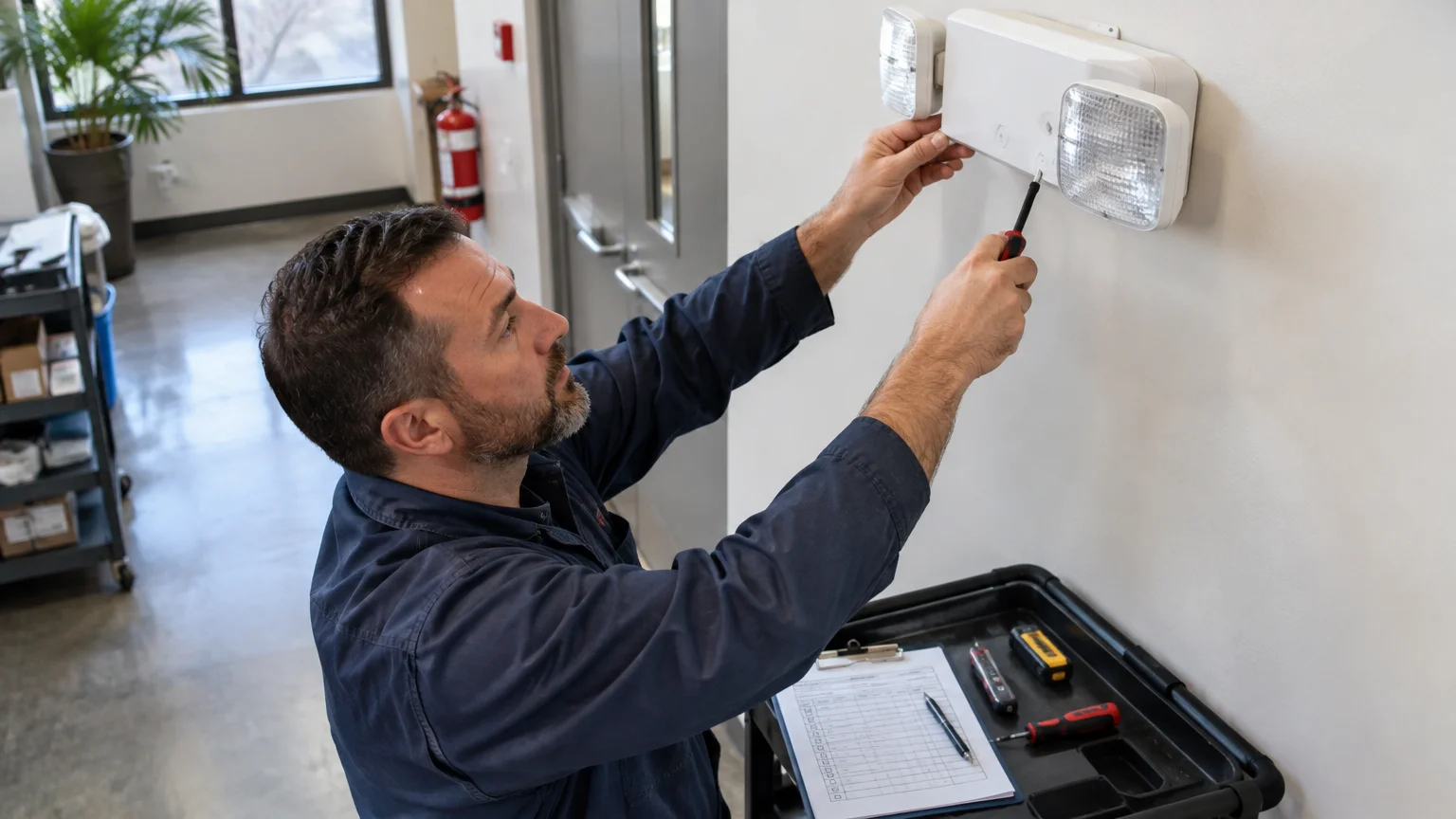
An emergency fixture repair checklist helps you act safely while waiting for plumbing help. Stop the water if you can reach the valve without risk, stay away from electrical hazards, and move nearby items out of harm’s way. Then note what happened and where. These steps can limit damage before a plumber arrives in Valparaiso.
What should you do first during a fixture plumbing emergency?
How can you shut off water at the fixture or main valve?
First, try to stop water flowing to the broken fixture, but only if it is safe. Many toilets and sinks have a small shutoff valve nearby, often on a wall or floor. Turn the handle gently to the right. Do not force a rusty or stuck valve, because it could break or start leaking.
If the fixture valve does not stop the flow, try the home’s main water shutoff. The main valve is in a different place in each home. Homeowners and property managers should learn its location before an emergency happens. If it is hard to reach or will not turn, stay clear of the water and tell the plumber. Do not use tools that might damage the valve.
A running toilet may stop when you close its shutoff valve. For an overflowing toilet, look for the valve near the base. A leaking faucet may have separate hot and cold water valves under the sink. If water keeps coming, do not assume the problem is safe just because the leak slows down.
When should someone turn off electricity or avoid the area?
Water near electricity can put people at risk. Keep everyone away if water is close to outlets, appliances, cords, or an electrical panel. Do not walk through standing water to reach a switch or valve. Turn off power only from a dry, safe place. Otherwise, wait for trained help.
A gas smell needs a different response. Do not use a flame to check for a leak, and do not operate switches near the smell. Leave the area and contact the gas utility or emergency services from a safe place. A fixture leak does not by itself mean there is a gas problem. But any gas odor needs quick attention.
How can you limit water damage while waiting for a plumber?
What safe steps help with leaks, overflowing toilets, and broken faucets?
Once the water is off, put a bucket or shallow pan under a small drip if the area is safe. Use towels to soak up water on a hard floor. Do not use a shop vacuum or other electric tool near wet areas. If water keeps spreading, move people and pets away from the room.
If a toilet is overflowing, close its supply valve if you can. Do not flush again to test it. Keep children and pets away from dirty water. If dirty water backs up into a sink or tub, avoid touching it. Do not pour drain cleaner into the fixture, as it can make later repair work unsafe.
A faucet can keep leaking even after you turn its handle off. Closing the nearby supply valves is safer than taking the faucet apart. You can wipe up a small amount of clean water and move items out of the way. Leave stuck parts, damaged pipes, and leaks near wiring to a professional. These may need plumbing repair or pipe repair.
What should be moved, contained, and documented?
Move rugs, paper goods, electronics, and other belongings away from water when it is safe. If a cabinet is wet, leave its doors open to help it dry. Put a bucket under drips if needed. Do not cut into a wall or pull up flooring to look for a leak. Hidden damage needs proper checks before anything is opened.
Take clear photos of the fixture, the leak, and any damage you can see. Write down when the problem began and whether closing a valve changed the water flow. These details help the plumber understand what may be needed. They also give a landlord or insurer a clear record of what happened.
A drop in water pressure across the home may mean the problem affects more than one fixture. Note which taps are affected and whether the pressure changes. Do not guess at the cause. Clear notes can help the plumber decide whether the issue points to drain repair, a supply line, or another problem.
What information should you gather before the plumber arrives?
How can someone describe the fixture problem and when it began?
A clear description helps the plumber prepare for the visit. Name the fixture, explain what it is doing, and say when the problem began. For example, a toilet that keeps running may have a worn part inside its tank. A leaking toilet fill valve may also let water keep flowing into the tank.
For a faucet, note whether water leaks from the handle, spout, or pipe under the sink. For a shower, say if water keeps coming after you turn the controls off. For a garbage disposal, describe any leak, jam, or loss of power. Never put your hand inside it, even if it seems to be off.
If a toilet will not refill or keeps running, do not flush it again and again. You can look inside the tank without taking parts apart. Do not force or adjust a stuck valve. Toilet fill valve repair may need a part that fits the fixture. A plumber can check whether the valve or another part is causing the problem.
How can someone identify the fixture, shutoff valve, and affected rooms?
Note where the fixture is and whether you can see a nearby shutoff valve. Tell the plumber if the issue is in a kitchen, bathroom, basement, or business space. Say whether water reached another room, a ceiling, or a cabinet. Photos can show details that are hard to describe in words.
Share which steps you have taken, including whether you closed a valve. Mention any odd sounds, smells, or changes in water pressure. Do not say there is a gas leak based only on a plumbing problem. If you smell gas, leave and contact the right emergency service from a safe place.
Valparaiso Plumbing can help homeowners and property managers know what details to share about a fixture problem. Service needs in Valparaiso can vary by property, access, and the parts involved. A short, accurate description helps the plumber focus on the right checks. If the problem also affects hot water, mention that too, as it may need water heater repair.
Which fixture problems need immediate professional repair?
What signs point to hidden leaks, sewage exposure, or worsening damage?
A leak that continues after you shut off the water needs prompt help. So do wet ceiling spots, water inside a wall, a soft floor, or a leak near electrical equipment. These signs may point to damage beyond the fixture you can see. Keep people away from unsafe areas. Do not open walls or ceilings yourself.
Treat sewage and dirty backup water with care. Keep children and pets away, and avoid direct contact. Do not try to clear a serious backup with household chemicals. A plumber can find the cause and advise you about safe cleanup. A blockage that affects several drains may need more than a simple sink or toilet repair.
A small faucet drip may be able to wait if its supply is off and the area stays dry. A burst line, fast leak, or toilet that will not stop overflowing is more urgent. Emergency Plumbing and Toilet Repair can help with problems that cannot safely wait for routine service.
Why should temporary fixes not replace a proper repair?
A towel, bucket, or closed valve can control water for a short time. It does not fix a cracked fitting, worn seal, or faulty valve. Tape and household glue may fail when water pressure returns. A patch may also hide a leak and delay a lasting repair.
Some simple checks do not need a professional. You can look for the shutoff valve, move belongings, take photos, and wipe up a small amount of clean water. Stop and call a plumber if a valve is stuck, a leak is hidden, water is near electricity, or sewage is present. A running toilet, broken faucet, or garbage disposal problem that continues needs proper checks.
Key takeaways
- Stop the water only if you can reach the valve safely.
- Keep away from electrical hazards and dirty backup water.
- Record where the leak is and what changed after you closed a valve.
- Move belongings and clean up only small amounts of safe, clean water.
- Get professional help for hidden leaks, stuck valves, and worsening damage.
Conclusion
A calm response can help limit damage and keep people safer. This emergency fixture repair checklist gives homeowners, tenants, and property managers useful first steps. It also helps you tell the difference between temporary water control and a lasting repair. Valparaiso Plumbing serves property owners who need help with urgent fixture problems.
If you are not sure what you are dealing with, it is worth having someone look at it before it turns into a bigger job. Find out more about our emergency plumbing in Valparaiso. Get in touch with Valparaiso Plumbing today and we will tell you where you stand.