Fixture repair cost depends on the fixture, the failed part, access, and the damage found. Toilet, faucet, and valve repairs are often simpler than full replacement. Still, hidden leaks or damaged pipes can change the work. A plumber checks the fixture and connected plumbing before confirming the final cost on a quote.
Table of Contents
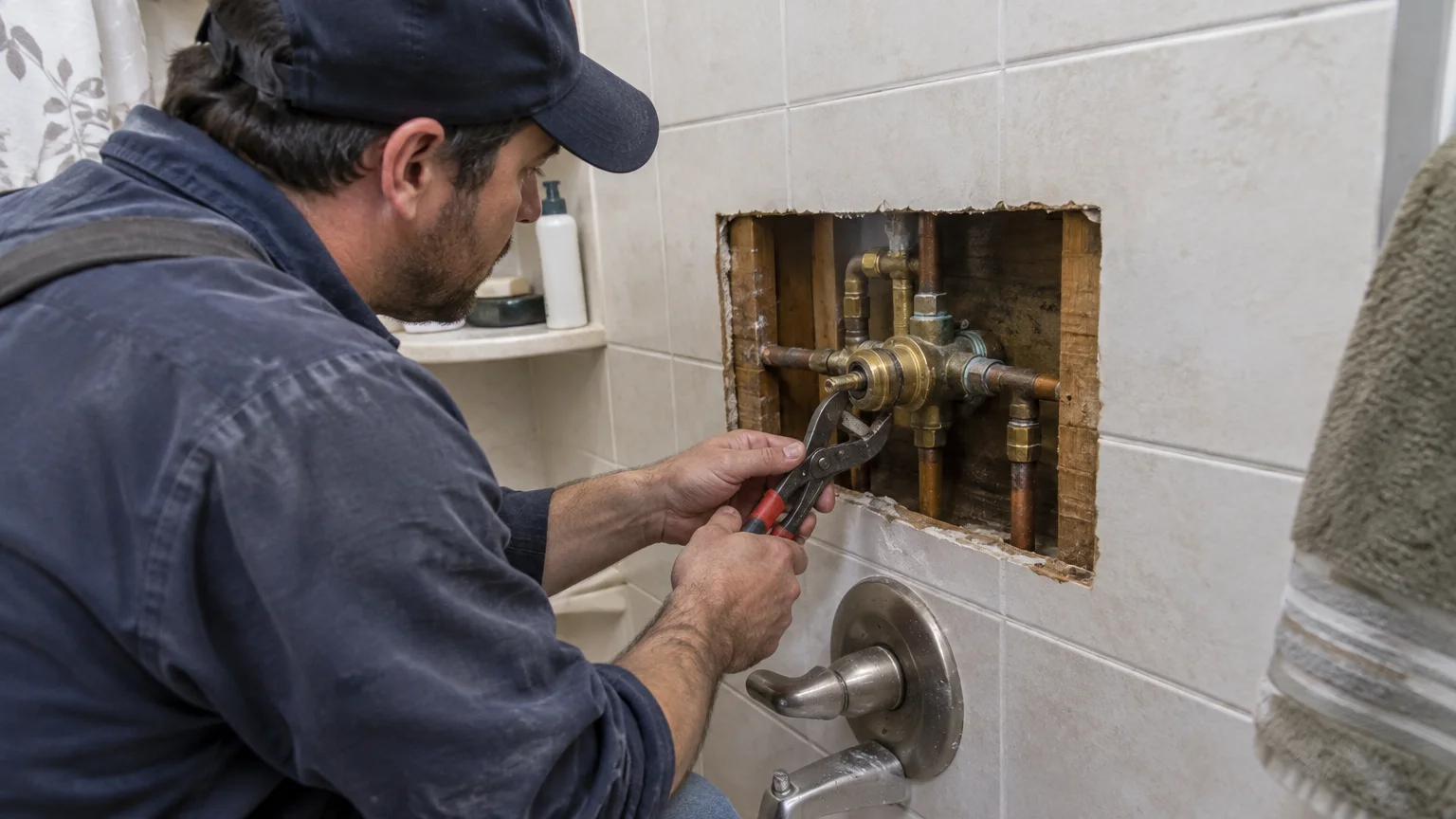
- How much does fixture repair cost in the USA?
- What factors affect the cost of repairing a plumbing fixture?
- How much does toilet repair cost?
- How much does faucet repair cost?
- How much does valve repair or replacement cost?
- What other plumbing fixture repairs can affect the total cost?
- How can you keep fixture repair costs under control?
- Frequently Asked Questions
How much does fixture repair cost in the USA?
Fixture repair cost changes with the type of fixture and the problem found. A worn washer or dirty aerator is often a smaller repair than a damaged valve, hidden leak, or broken pipe connection. The final quote depends on the parts, work time, access, and condition of nearby plumbing.
What the total repair cost typically includes
A repair may include testing, removal of damaged parts, new parts, and cleanup. Some jobs also need work on a pipe behind a wall or below a floor. That hidden work can change the job after the fixture is opened.
The fixture itself also matters. A basic toilet or faucet may use common parts that are easy to find. A special fixture may need a matching cartridge, seal, handle, or valve. Old fixtures can have stuck fasteners and worn connections.
The plumber should explain what failed and what the repair involves. The final cost should be confirmed on a quote before work starts. This helps the owner understand the needed work and avoid confusion.
Why a repair may cost more or less than replacement
Repair often makes sense when the fixture body is sound and parts are available. Replacement may be better when the fixture has heavy rust, several failing parts, or repeat leaks. A new fixture may also improve water use, comfort, and cleaning.
Valparaiso Plumbing helps property owners compare repair and replacement choices. Age and condition both matter. The newest fixture is not always the best choice. The right choice fixes the problem and supports safe, steady use.
What factors affect the cost of repairing a plumbing fixture?
The main factors are the fixture type, failed part, access, and nearby pipe condition. Urgent damage can also need faster action. Leaks may harm floors, cabinets, walls, stored goods, and other parts of a home or business.
Fixture type, brand, age, and accessibility
A toilet, faucet, shower valve, and sink connection all use different parts. The brand and model can affect part supply. Old fixtures may need careful removal because seals harden and fittings rust.
Access also changes the work. A faucet under an open sink is easy to reach. A valve behind tile is much harder to reach. A toilet may be simple to inspect, while a hidden shower valve may need wall access. Tight cabinets can make a small repair take more care.
Owners should share the fixture brand and model when possible. Photos can show the layout before the visit. Clear details may help prevent delays and reduce the chance of bringing the wrong part.
Parts, labor complexity, and underlying plumbing problems
Some repairs involve one clear part. Others reveal a wider problem. A dripping faucet may need a cartridge, but damaged supply lines or a rusty shutoff valve may also need repair.
A toilet that keeps running may have a worn flapper, fill valve, or flush valve. To repair a toilet fill valve, the plumber checks the tank connection and water shutoff too. A toilet inlet valve repair may be simple when the supply connection is sound. It can be harder when the fitting is stuck.
The same rule applies to leaks. To find a plumbing leak, the plumber follows water from the visible mark back to its source. Water can travel along framing or cabinets before it appears. Repairing the fixture without finding the source can lead to more damage.
How much does toilet repair cost?
Toilet repair cost depends on whether the fault is inside the tank, at the base, in the supply line, or in the drain. Common repairs include a flapper, fill valve, flush handle, wax seal, or supply connection. A blocked drain may need separate work.
Common toilet repairs and their relative cost
A toilet that keeps running often has a worn flapper, float, fill valve, or flush valve. These parts control water flow into and out of the tank. A simple adjustment or part change is usually less involved than work on a cracked tank or hidden pipe.
Homeowners can safely check if the handle is stuck. They can also see if the water stops after flushing. Cleaning mineral buildup from reachable parts may help. They should not force old fittings. A cracked tank or broken connector can cause a larger leak.
A toilet leaking at the base may have a failed seal or movement at the floor connection. Water near the floor should not be ignored. Continued leakage can harm flooring and allow moisture into the subfloor.
When a toilet should be repaired or replaced
Repair often makes sense when the bowl and tank are sound. Replacement may be better when porcelain is cracked, the toilet rocks after proper fastening, or many parts fail together. A toilet with poor flushing may also need replacement when repairs do not solve the issue.
A professional can check the toilet, shutoff, supply line, and drain connection together. Valparaiso Plumbing provides fixture guidance for homes and businesses when the cause is unclear. The goal is a lasting repair, not a quick patch that fails again.
How much does faucet repair cost?
Faucet repair cost depends on the faucet style, failed part, access, and supply connection condition. A drip may come from a cartridge, washer, O-ring, valve seat, or loose connection. The visible leak does not always show the real cause.
Repairing leaks, cartridges, handles, and aerators
A faucet cartridge controls water flow and temperature in many single-handle models. Two-handle faucets may use cartridges, stems, washers, or seats. A plumber removes the handle and trim, checks the inside parts, and tests the faucet after repair.
An aerator is the small screen at the end of a spout. It mixes air with water and can collect grit or mineral buildup. A homeowner can often remove and clean it with care. If the faucet still leaks, the problem may be deeper inside.
Loose handles, stiff movement, low flow, and water under the sink also need attention. Supply hoses and shutoff valves should be checked before opening the faucet. A cabinet leak can harm wood and stored items before the source is easy to see.
When faucet replacement is the more practical option
Replacement may be better when the faucet body is cracked, badly rusted, or hard to match with new parts. It may also suit a remodel or an owner who wants better water control and easier cleaning.
A replacement faucet must fit the sink openings and connect correctly to the supply lines. The shutoff valves should close fully before removal. If they do not, professional help is safer than forcing them.
How much does valve repair or replacement cost?
Valve repair or replacement cost depends on the valve type, its location, and the connected pipe condition. Common examples include shutoff valves, toilet fill valves, flush valves, shower mixing valves, and appliance supply valves.
Shutoff, fill, flush, and mixing valve problems
A shutoff valve controls water to one fixture or part of a building. If it drips, will not close, or feels stuck, it can make future repairs harder. A plumber may repair the valve or replace it when its body or connection is worn.
A toilet fill valve refills the tank after a flush. A faulty fill valve can cause running water, slow filling, or noise. To repair a toilet bowl fill valve, the water must be shut off. The tank connection must also be checked for leaks after the new part is fitted.
A mixing valve controls hot and cold water. Problems may cause poor temperature control, low flow, or a shower that stays too hot or cold. Some mixing valves sit behind a wall, so access can add work.
How access and pipe condition affect the work
Valves in open cabinets are easier to reach than valves behind tile or finished walls. Rusty pipe threads can also make removal harder. Old metal pipe needs extra care during disconnection.
A homeowner can identify which valve serves a fixture and keep the area clear. The homeowner should not force a stuck valve or cut a pipe without the right tools. Water can spread quickly when a fitting breaks.
What other plumbing fixture repairs can affect the total cost?
Sink, shower, tub, garbage disposal, and connection repairs can add to the work when several fixtures share a water or drain problem. The total depends on the number of faults and whether the issue reaches inside a wall, cabinet, or floor.
Sink, shower, tub, and fixture connection repairs
A sink may leak from the drain, trap, faucet, supply line, or basin connection. A shower may need repair to the head, diverter, handle, cartridge, or valve. A tub may leak at the waste assembly, overflow, or supply connection.
A garbage disposal repair may involve a jam, reset switch, wiring issue, drain connection, or worn unit. A homeowner can turn off power before checking a reset button. No one should place a hand inside the disposal. Ongoing noise or leaking needs professional testing.
Water stains under a sink or near a tub should be checked soon. To find a water leak in a house, a plumber may test fixtures and inspect exposed pipes. The source may be away from the wet spot.
Commercial fixture repairs and multi-fixture service
Businesses may have public toilets, commercial faucets, urinals, break-room sinks, and service sinks. Heavy use can wear parts faster. A small leak can affect staff, visitors, stock, or daily work.
When several fixtures fail, the problem may involve a shared supply line, drain, pressure issue, or shutoff. A clear repair plan helps the owner handle urgent faults first. It also helps prevent repeat visits caused by missed related problems.
How can you keep fixture repair costs under control?
Early action, safe checks, and clear details can help limit fixture damage. Owners should treat dripping, running, slow, or damp fixtures as warning signs. These problems are not normal wear to ignore.
Warning signs that should not be ignored
The following signs need prompt attention:
- A toilet runs after every flush or refills without use.
- A faucet drips after the handle is fully closed.
- Water collects inside a cabinet or around a fixture base.
- A valve will not close or shows rust and moisture.
- A shower changes temperature without handle movement.
- A fixture makes new banging, hissing, or grinding sounds.
A burst pipe needs immediate action. Shut off the main water supply if it is safe. Keep electricity away from standing water. Emergency Plumbing may be needed when water cannot be controlled or damage is spreading.
What to check before arranging professional repairs
A homeowner can note when the problem starts and which fixture is affected. They can see whether water stops after the local shutoff closes. Photos of the fixture, valves, labels, and visible damage can help explain the problem.
Simple cleaning is safe for many aerators and visible screens. A homeowner may also replace batteries in a sensor faucet when the design allows it. Do not open gas appliances, cut pipes, remove wall finishes, or work near live electrical parts.
Key takeaways
- Fixture repair cost changes with parts, access, urgency, and hidden damage.
- A running toilet often needs a flapper, fill valve, or flush valve check.
- Faucet leaks may come from cartridges, washers, aerators, or supply lines.
- Stuck or leaking valves should not be forced by an untrained homeowner.
- Early professional testing can limit water damage and repeat repairs.
Frequently Asked Questions
Is it better to repair or replace a plumbing fixture?
Repair is often best when the fixture body is sound and parts are available. Replacement may make more sense when the fixture is cracked, badly rusted, outdated, or has many failing parts. A plumber can compare the condition, expected service life, and repair needs before the owner decides.
How can someone fix a toilet that keeps running?
A homeowner can check whether the handle is stuck and whether the flapper closes after flushing. The water level and fill valve may also need attention. If the tank keeps refilling, the supply connection leaks, or the shutoff fails, professional toilet repair is safer.
How can someone find a plumbing leak?
The first checks include supply lines, fixture bases, cabinets, ceilings, and water meter movement when all fixtures are off. Water may travel before it appears. This means the wet spot may not show the source. A plumber can test the system and inspect hidden areas when needed.
Can a homeowner repair a toilet inlet valve?
A homeowner may replace an accessible toilet inlet valve when the shutoff works and the connection is easy to reach. The tank must be tested for leaks after the work. A stuck shutoff, rusty fitting, or damaged supply pipe needs professional help instead of force.
What should someone do if a pipe bursts at home?
Shut off the main water supply if safe. Open a nearby tap to reduce pressure and move belongings away from the water. Stay clear of wet electrical areas. Emergency Plumbing can help when water keeps flowing, the source is hidden, or damage reaches walls or ceilings.
Conclusion
Fixture problems rarely improve when they are ignored. A small drip can harm cabinets, floors, walls, or stored items. A careful check can show whether cleaning is enough or whether a failed part needs replacement.
Valparaiso property owners can seek local help when a fixture keeps leaking or will not work. Valparaiso Plumbing helps property owners understand fixture repairs, valve issues, leaks, and replacement choices. In Valparaiso, Contact us to arrange professional plumbing help when a fixture keeps leaking, will not work, or may have caused hidden water damage.
If you are not sure what you are dealing with, it is worth having someone look at it before it turns into a bigger job. Get in touch with Valparaiso Plumbing today and we will tell you where you stand.