The toilet repair cost depends on the fault, parts, access, urgency, and property type. A small tank repair is usually less involved than a hidden leak or drain repair. Commercial work may take more time because fixtures get heavy use. The final cost is confirmed on a written quote after inspection.
A broken toilet can cause stress at home or work. It may leak, waste water, block a restroom, or harm nearby floors. Small faults can grow when they are left alone.
This guide explains what shapes a repair quote. It also covers safe checks, commercial needs, plumber credentials, and repair choices. Valparaiso Plumbing helps property owners understand their options before work starts.
Table of Contents
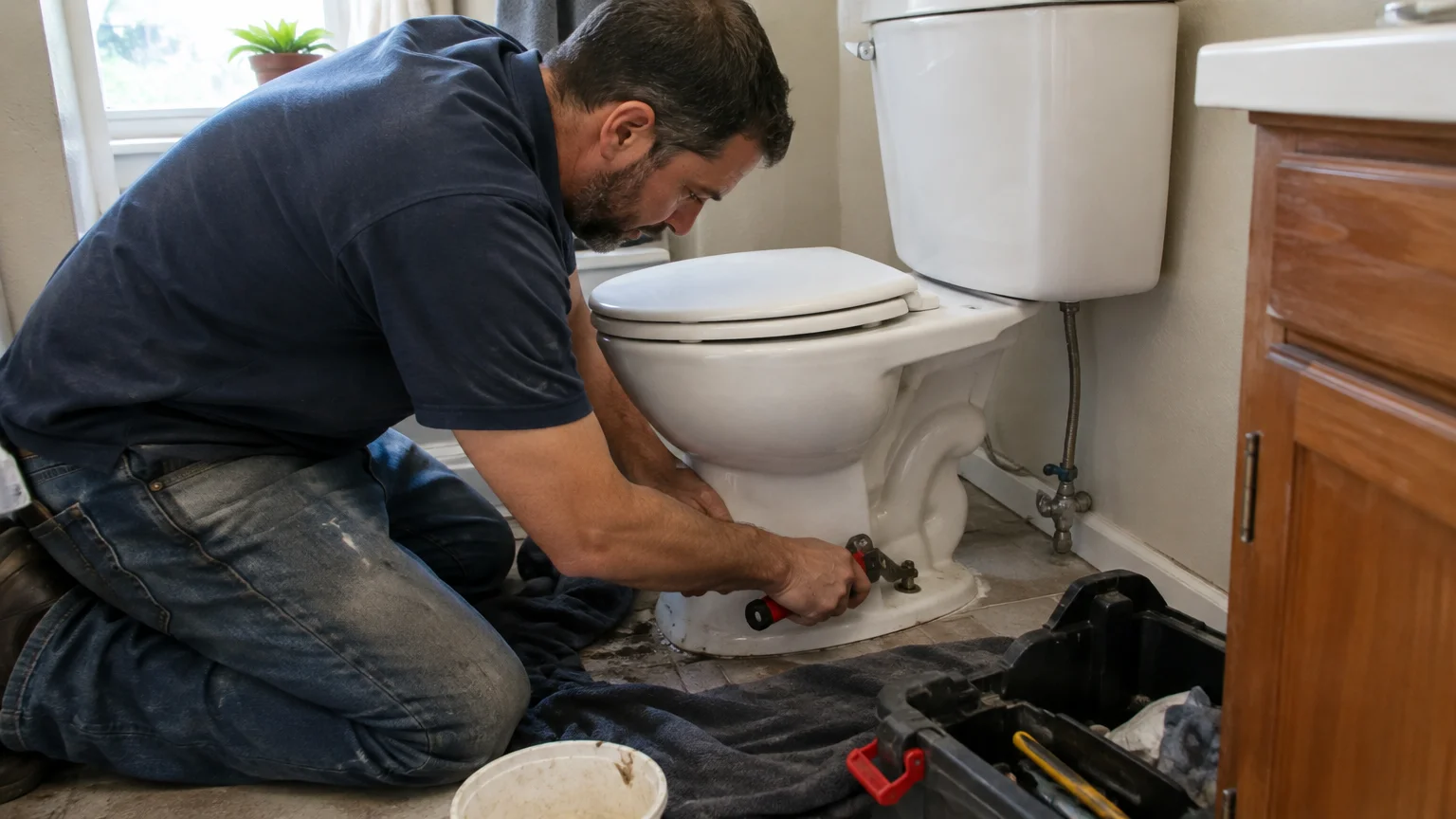
- How much does toilet repair cost?
- What toilet problems usually require professional repair?
- Which factors affect the cost of repairing a toilet?
- Should you repair or replace a commercial toilet?
- What should a toilet repair quote include?
- How can you choose a qualified plumber for toilet repairs?
- Key takeaways for managing toilet repair costs
- Frequently Asked Questions
How much does toilet repair cost?
Toilet repair cost changes from one job to another. A worn flapper or fill valve may need only a simple part change. A damaged flange, hidden leak, or broken drain line can require more labor and testing.
The final cost should be confirmed in a written quote. The plumber should inspect the toilet before giving that quote. It should explain the fault, parts, labor, testing, and any work outside the main repair.
What determines the final repair cost?
The main factors include the toilet type, failed part, pipe condition, and access. A toilet in an open bathroom may be easier to reach than one in a tight stall. Rusted fittings, water damage, and old repairs may add more work.
Urgency can affect when the job is scheduled. A business with no working restroom may need faster help than a home with a slow-running toilet. Tell the plumber about leaks, overflows, sewer smells, and loss of service.
A commercial plumber may also need to protect floors, walls, workers, customers, and nearby fixtures. These steps help limit damage during the repair.
How does commercial toilet repair differ from residential work?
Commercial toilet repair often involves heavy use and shared restrooms. A restaurant, office, school, store, or rental property may have many toilets on one plumbing system. One fault can affect many people.
Commercial fixtures may use flush valves, sensors, wall-hung bowls, or heavy-use parts. The plumber must match the new part to the existing system. Work may also need to fit around business hours and building rules.
Home repairs often affect one toilet and fewer users. They can still involve hidden leaks or damaged flooring. Valparaiso Plumbing helps Valparaiso property owners review the details before work begins.
What toilet problems usually require professional repair?
Professional help is wise when a toilet leaks, overflows, rocks, or will not flush well. Repeated clogs, sewer odors, and water around the base also need attention. These signs may point to a problem below the visible fixture.
A homeowner or tenant can make a few safe checks. They can see if the shutoff valve is open, lift the tank lid, and look for a loose chain. They should not remove the toilet, open a wall, or repair a damaged supply line without the right skills.
Which symptoms indicate a minor issue?
A running toilet may have a worn flapper, loose chain, or bad fill valve. The fill valve controls water entering the tank after a flush. A homeowner may clean the area, check the chain, or adjust the float if the maker permits it.
A weak flush may come from a partial clog or low tank water. A proper plunger may clear a simple blockage. Do not use chemical drain cleaners. They can harm parts and pipes, and they can hurt anyone who later opens the fixture.
DIY toilet repair should stop when water leaks from the tank, supply line, or floor. Close the water valve when safe to limit damage. Tenants should report the problem to the property manager at once.
When does a toilet problem signal a larger plumbing fault?
Repeated clogs may point to a blocked branch drain, poor venting, or a deeper sewer issue. Gurgling, slow drains in other fixtures, and sewage smells are useful clues. A plumber can test the system instead of treating the same symptom again.
Water at the base may come from a failed seal, cracked bowl, or loose connection. Damp flooring can spread beneath tile or wood before the damage is easy to see. Quick action helps protect the subfloor and nearby rooms.
A burst pipe is a separate emergency. Shut off the main water supply if safe, avoid electrical dangers, and contact Emergency Plumbing. Leak detection and Leaks & Burst Pipes service may help when the source is hidden.
Which factors affect the cost of repairing a toilet?
The repair quote reflects the work needed, not only the visible symptom. The plumber may test the fixture, remove damaged parts, protect the area, and check nearby connections. The toilet repair cost can change when the inspection finds another fault.
Ask what caused the problem and whether the repair fixes that cause. A new worn part may solve the issue. It may not solve a damaged drain, failed seal, or pipe that moves below the floor.
How do parts, labor, and access affect the quote?
Parts vary by toilet design and quality. A common tank part may be easy to match. Older, commercial, concealed, or special fixtures may need a certain model. The wrong part can cause leaks, poor flushing, or more service calls.
Access also matters. A clear bathroom gives the plumber room to work. A crowded stall, locked utility room, wall-mounted tank, or damaged floor can make the job harder. The quote should explain any removal or preparation.
Labor may include inspection, removal, installation, testing, and cleanup. Ask whether testing is included. The plumber should flush the toilet and check every connection before leaving.
Why can commercial properties require more involved repairs?
Commercial buildings often have more fixtures, users, and safety rules. A plumber may need to close part of the building, protect public areas, or work with a manager. Restroom access can affect staff, tenants, customers, and guests.
Some buildings use pressure-assisted toilets, sensor flushers, or wall-mounted systems. These parts do not work like common home toilets. The plumber should know the fixture brand and model before choosing replacements.
A commercial repair may reveal a wider plumbing issue. Several slow toilets can point to a shared drain problem. A careful inspection helps prevent repairs that treat only one fixture.
Should you repair or replace a commercial toilet?
Repair is practical when the bowl, tank, connections, and floor are sound. Replacement may make more sense when the toilet is cracked, keeps failing, lacks parts, or causes ongoing water damage. The best choice depends on condition and expected use.
A plumber should explain both choices when replacement may help. The owner can compare a short-term repair with the longer service of a new fixture. The written quote should list what each option includes.
When is repairing the existing toilet practical?
Repair often suits one failed part. Examples include a fill valve, flapper, handle, supply connector, or flush valve. It may also suit a fixture that matches the building system and has no cracks or movement.
A repair can limit disruption because the toilet stays in place. This matters in a small business, rental property, or busy office. The plumber should still check the shutoff valve, connections, and floor seal.
Repair is less useful when the same toilet has a long history of faults. Repeated failures can point to age, poor fit, or a deeper plumbing problem. Ask why the failure happened before approving another part.
When is replacement the more reliable option?
Replacement may be better when the porcelain is cracked or the toilet cannot seal safely. It may also help when parts are no longer available or the fixture does not suit current needs. The plumber should confirm that the new toilet fits the drain and supply connection.
Commercial owners should think about strength and easy upkeep. A durable fixture with common parts may reduce later disruption. The building must also follow local plumbing and access rules.
Replacement will not fix a blocked drain or damaged pipe. The plumber should test the wider system first. This keeps a new toilet from being placed on an old fault.
What should a toilet repair quote include?
A useful quote should name the problem, planned repair, parts, and included work. It should also explain testing, cleanup, limits, and work needing separate approval. Clear details help owners compare quotes without guessing.
The quote should follow an inspection when possible. A phone description may not show a hidden leak, damaged flange, or shared drain blockage. The final toilet repair cost should be confirmed before work begins, unless an urgent safety issue needs immediate action.
Which details should appear in a written estimate?
The estimate should name the fixture or restroom. It should describe the fault in plain words and say if the plumber will repair or replace a part. It should list parts and related work.
The document should cover testing after the repair. The plumber may flush the toilet, check the supply line, inspect the base, and confirm that nearby fixtures drain normally. Ask about cleanup and disposal of removed parts.
If more damage appears, the owner should receive an updated explanation before extra work starts. This keeps the choice clear and helps prevent disputes.
How can you compare plumbing quotes accurately?
The lowest quote is not always the best choice. Compare the same work scope, part quality, warranty terms, testing, and completion time. A quote that leaves out removal or cleanup may look simpler than it is.
The contractor should answer questions without pressure. Ask what caused the fault, what happens if the repair does not solve it, and whether the part suits the building. Good records help owners manage several units or locations.
Valparaiso Plumbing helps property owners in the main Valparaiso area, including Downtown Valparaiso, Aberdeen, Chesterton, Porter, Hobart, Crown Point, and nearby communities. A clear repair plan is safer than a rushed choice based on one figure.
How can you choose a qualified plumber for toilet repairs?
A qualified plumber should have the license required by the state or local authority, proper insurance, and experience with the property type. Commercial owners should also check that the contractor understands building access, tenant safety, and busy fixtures.
License rules differ across the United States. Check requirements with the proper state or local office. Do not rely only on an online profile or verbal claim.
What licensing, insurance, and experience should you verify?
The business name should match the quote and insurance papers. Ask for proof of general liability coverage and worker protection coverage when needed. Commercial sites may also need vendor forms or safety papers.
Experience should match the job. A plumber who mainly handles homes may not suit a large office, store, or multi-unit property. Ask about similar fixtures, access limits, and work outside normal hours.
A trusted contractor explains the problem in simple words. They do not hide damaged parts or push an owner toward needless replacement. They protect the work area and test the finished repair.
Which questions help identify a trustworthy plumbing contractor?
Property owners can ask:
- What caused the toilet problem, and how was it checked?
- Which parts will be repaired or replaced?
- What work is included in the written quote?
- How will the toilet and nearby connections be tested?
- What happens if the inspection finds a damaged drain or pipe?
- Is the contractor licensed and insured for this work?
The answers should match the written estimate. Keep records of the quote, repair details, parts, and warranty terms. This helps with rentals, managed properties, and future maintenance.
Valparaiso Plumbing serves Valparaiso homes and businesses with toilet repair and wider plumbing help. Review the inspection details before approving work so you understand the repair options.
Key takeaways for managing toilet repair costs
Toilet repair cost depends on the fault, parts, access, urgency, and building type. An inspection and written quote help owners make a sound choice.
- Simple tank parts usually need less work than hidden leaks or drain faults.
- Commercial toilets may need special parts and careful scheduling.
- Safe DIY checks include looking at the chain, float, and shutoff valve.
- Repeated clogs, leaks, smells, and unstable toilets need professional help.
- The final cost should be confirmed on a written quote after inspection.
How can property owners prevent repeat toilet problems?
Routine checks can find leaks before they harm floors or walls. Look for water at the base, weak flushes, running water, loose handles, and odd sounds. Commercial managers should add restrooms to regular building checks.
Simple upkeep includes cleaning the bowl, keeping unsuitable items out, and checking visible supply connections. Homeowners can often do these tasks themselves. Stop when the job needs pipe removal, wall access, electrical work, or lifting the fixture.
A plumber can help find repeated faults and suggest useful maintenance. Drain cleaning may help when blockages affect more than one fixture. Leak detection may help when water use rises without a clear source.
When should you arrange professional plumbing service?
Professional help is needed for active leaks, repeated overflows, sewage smells, cracked porcelain, unstable toilets, and faults that return after a basic check. Commercial owners should act quickly when a restroom is closed or several fixtures show the same symptom.
A quick response can limit water damage and business disruption. Shut off water when safe, keep people away from damaged areas, and avoid chemicals or unsafe repairs. Emergency Plumbing may suit severe leaks or an unusable facility.
A careful plumber explains the cause, choices, and next steps. That process helps protect the property and supports better repair decisions.
Frequently Asked Questions
Can a homeowner repair a toilet fill valve?
A homeowner may replace or adjust a fill valve when the shutoff works and the connection is easy to reach. Follow the maker's instructions. Professional help is safer when the valve will not close, the connection is rusty, or water leaks during the work.
How can someone find a plumbing leak near a toilet?
Check the supply connection, tank bolts, tank seal, and floor around the base. Dry the area and watch for fresh water after flushing. A hidden leak may travel under flooring or inside a wall. A plumber can use leak detection methods when the source is not clear.
What should happen after a toilet overflows?
Turn off the toilet valve if safe, then stop using the fixture. Keep people away from dirty water and protect nearby flooring. Do not use chemical drain cleaner. If other drains are slow or sewage returns, the issue may involve a shared drain.
Is a commercial toilet repair usually different from a home repair?
Yes. Commercial toilets may use flush valves, sensors, wall-mounted designs, or heavy-use parts. The work may also need to protect customers, staff, tenants, and business operations. A plumber should inspect the fixture and building system before choosing parts.
When should a toilet be replaced instead of repaired?
Replacement may be better when the bowl is cracked, the toilet moves at the floor, parts are hard to find, or repeated repairs have failed. A plumber should check the drain, supply line, and floor seal first. A new toilet cannot correct a damaged pipe or blocked system.
If you are unsure what is wrong, arrange an inspection before the issue grows. Contact us to discuss your repair options with Valparaiso Plumbing.