The safest steps before the plumber arrives are to protect people, stop water when safe, avoid electrical hazards, and limit damage. Shut off the main valve if you can reach it safely. Stop using affected fixtures, move items away from water, and note details for the emergency plumber. This guide helps Valparaiso property owners respond with care.
A sudden leak can cause serious damage in a short time. A calm plan helps homeowners, tenants, landlords, and business owners act without taking unsafe risks. Valparaiso Plumbing helps local property owners handle urgent plumbing problems with clear guidance and skilled support.
Table of Contents
- What should you do first in a plumbing emergency?
- How do you shut off the water before the plumber arrives?
- What should you do about a burst pipe or major leak?
- How should you handle an overflowing toilet or backed-up drain?
- What should you do when a water heater fails?
- What information should you give the emergency plumber?
- What should you check after the emergency plumbing repair?
- Key takeaways
- Frequently Asked Questions
- What is the best next step during a plumbing emergency?
What should you do first in a plumbing emergency?
First, protect people and find the main danger. Move anyone away from standing water, exposed wires, sewage, gas, or damaged parts of the building. Focus on safety before trying to find the exact repair.
A plumbing emergency can include a burst pipe, fast leak, sewage backup, overflowing toilet, or failed water heater. If water is near outlets, appliances, electrical panels, or a damaged ceiling, do not touch electrical equipment. Plumbing work may need to wait until a qualified electrician or emergency responder makes the area safe.
How to assess immediate risks to people and property
Look from a dry, safe place. Check if water is spreading, a ceiling is sagging, or walls feel soft. Never walk through standing water when electricity may be present. Keep children and pets away from the affected room.
If a slow leak is safe to reach, place a container below it. Use towels only with clean water and only when you can stay dry. Move furniture, boxes, electronics, and other items away from water when you can do so safely.
When to evacuate or contact emergency services
Leave the property if you smell gas, see fire or smoke, notice major structural damage, or face an electrical danger. Call 911 for threats to life, fire, or dangerous utility conditions. A water leak is often a plumbing issue, but unsafe conditions must come first.
Tenants should tell the property manager after taking safe steps. Business owners should close the affected area and protect customers and staff. Valparaiso Plumbing can help property owners understand the next safe step when urgent plumbing trouble affects a home or business.
How do you shut off the water before the plumber arrives?
The main water shutoff valve stops water to most of a property. Turning it off may reduce flooding before the plumber arrives. Use it only when you can reach it safely. Never enter a wet area when electrical danger may exist.
Where to find the main water shutoff valve
In many US homes, the main valve is near where the water line enters. It may be in a basement, crawl space, garage, utility room, or outside wall. Some homes have it near the water meter. Commercial buildings may have more than one shutoff point.
A round handle usually turns clockwise to close. A lever valve is closed when its handle sits across the pipe. Do not force a stuck valve. A broken handle can cause another problem.
Learn where the valve is during a quiet time. A small label can help others find it quickly. If you cannot find the valve, the local water provider may explain where the property shutoff is located.
How to isolate fixtures and appliances safely
Many fixtures have small shutoff valves below or behind them. Turn one clockwise when it is easy to reach. Use the fixture valve for a toilet, sink, washing machine, or dishwasher when the problem affects only that item.
Do not remove covers or reach behind equipment in standing water. Do not disconnect pipes as a temporary repair. If a valve will not turn, leave it alone and tell the plumber what happened.
What should you do about a burst pipe or major leak?
A burst pipe needs fast water control and careful cleanup. Shut off the main valve if safe. Open a cold-water faucet away from the damaged area to release pressure. Keep people away from wet electrical equipment. Do not cut into a wall or ceiling to reach a hidden pipe.
Steps to limit flooding and water damage
After the water stops, remove loose items from the wet area. Place buckets under safe drip points and use towels on small amounts of clean water. Take photos before moving large items when doing so will not add risk or damage.
Open doors and cabinets so air can move through the space. Do not use household fans near standing water or outlets. Wet drywall, insulation, flooring, and cabinets may need careful drying or replacement.
A hidden leak can spread behind walls and below floors. Signs include damp spots, peeling paint, a musty smell, warped flooring, or a water meter that keeps moving after all fixtures are off. Leak detection can help find water that cannot be seen.
Why electrical hazards require extra caution
Water can make metal fixtures and electrical systems dangerous. Stay away from electrical panels, outlets, power strips, and plugged-in appliances in wet areas. Never switch power on or off while standing in water.
If you are dry and safe, a qualified person may turn off power to the affected area. Otherwise, an electrician or emergency responder should do it. Plumbing work should wait until the area is safe to enter.
How should you handle an overflowing toilet or backed-up drain?
Stop using the toilet, sink, tub, and other connected fixtures at once. For an overflowing toilet, close the small valve behind it if the valve turns easily. For a backed-up drain, do not add more water. The blockage may affect several fixtures.
What to stop using immediately
Do not flush the toilet again to test it. Do not run a washing machine, dishwasher, shower, or nearby sink when a main drain is blocked. Water from another fixture may return through the lowest drain.
Sewage backup contains harmful waste. Keep children and pets away. Avoid direct contact, and wear protective gloves only if safe cleanup cannot wait. Never mix drain cleaners or pour chemicals into a blocked system.
Which temporary measures can prevent further damage
Close fixture valves when possible. Put a container below a small clean-water leak. Remove rugs and movable items from the area. Keep doors open only when this will not spread odors or dirty water through the property.
A plunger may help with a simple toilet clog when no sewage is present and the water level is controlled. A homeowner does not need a professional for every small clog. However, repeated backups, sewage, several affected fixtures, or a clog that will not clear needs professional drain cleaning.
A drain cleaning plumber can check for deeper blockages, damaged pipes, tree roots, or other causes. Valparaiso Plumbing provides urgent support for Valparaiso homes and businesses facing serious drainage problems. Drain repair may be needed when cleaning does not solve the cause.
What should you do when a water heater fails?
A failed water heater may cause a leak, no hot water, strange sounds, or unsafe pressure. Turn off its water supply if it leaks and is safe to reach. Stay away from hot water, steam, exposed wires, and damaged equipment.
How to respond to leaks, unusual noises, or no hot water
Do not use a leaking tank. Place a container below a small drip only when the area is safe. Do not remove panels, open pressure controls, or repair gas parts without proper training.
Rumbling or popping sounds may point to sediment inside the tank. No hot water may come from a failed heating part, control, thermostat, gas supply, or electrical issue. A water heater repair plumber can test the system and find the cause.
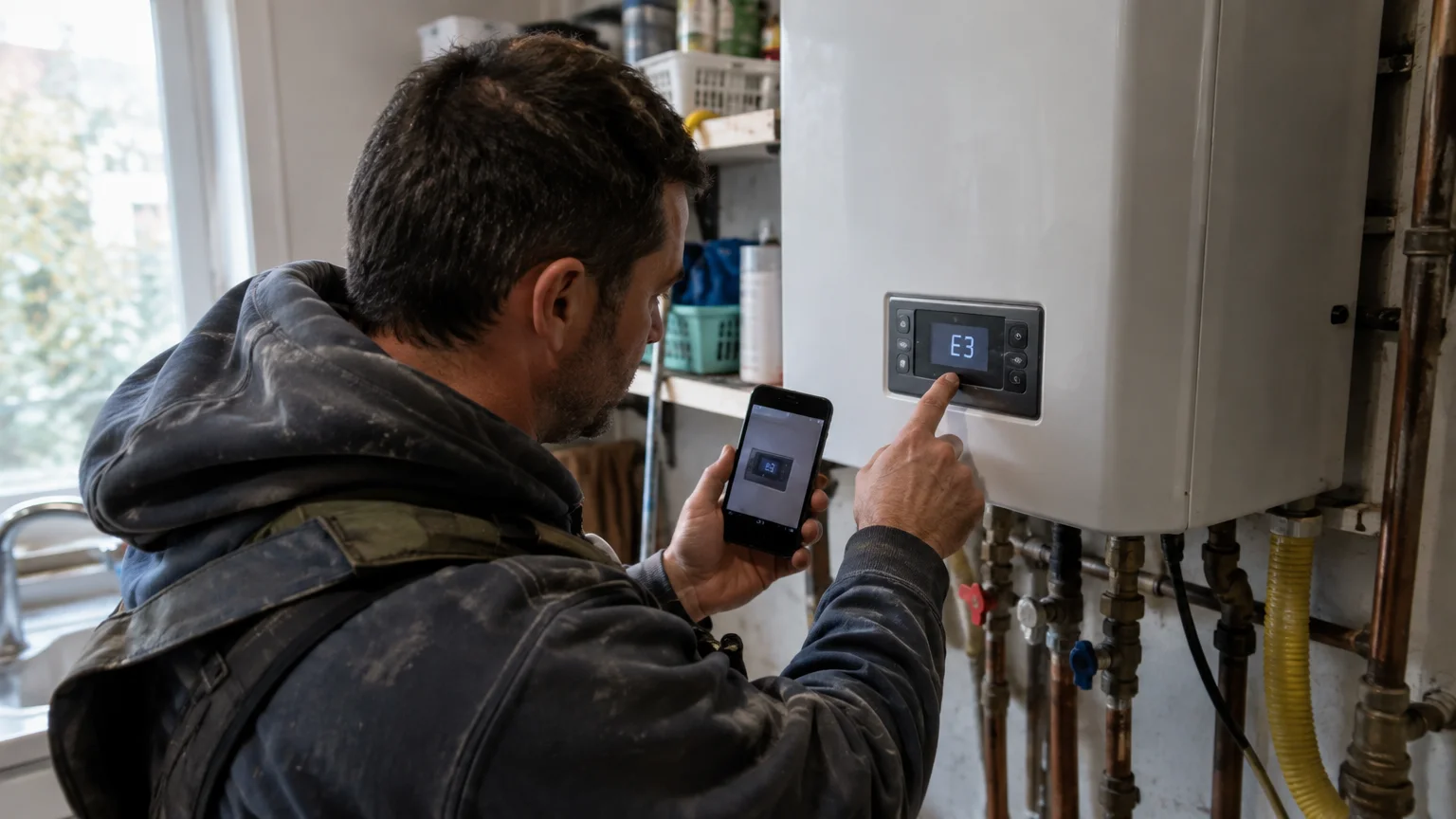
Tankless systems may show an error code or stop heating because of a flow, power, vent, or care issue. Record the code and model details. Do not keep resetting the unit if there is a leak, burning smell, or unusual heat.
When to shut off the water heater's power or fuel supply
For an electric water heater, turn off the breaker only from a dry, safe place. For a gas water heater, use the appliance control as the maker directs when there is no gas smell. If you smell gas, leave at once and contact emergency services or the gas utility from a safe place.
The water supply and energy supply are separate. Turning off one does not always stop the other. Tell the plumber which valves, breakers, or controls you changed.
What information should you give the emergency plumber?
Clear details help the emergency plumber prepare. Explain what happened, where it began, how fast water is moving, and whether the main supply is off. These simple facts may help the plumber bring the right tools and parts.
Details to record about the problem and recent changes
Write down when the problem began and what happened first. Recent remodeling, freezing weather, a new appliance, drain cleaning, or water pressure changes may matter. Note whether one fixture or several areas are affected.
Useful details include:
- The problem type, such as a burst pipe, leak, backup, or water heater failure
- The place of visible water, stains, sounds, or odors
- Whether the main or fixture valve is closed
- Whether electricity, gas, sewage, or building damage may be involved
- Any error code, model number, or recent repair tied to the problem
Photos, access instructions, and property information to prepare
Take clear photos and short notes when safe. Show the damaged area, nearby valves, equipment labels, and visible damage. Do not remove covers or enter unsafe spaces for a better picture.
Share building access instructions and explain where the main shutoff is. Tenants should share landlord details as required by the lease. Business owners should identify closed areas, opening hours, and safety rules.
What should you check after the emergency plumbing repair?
After the repair, check for active leaks, damp materials, strange sounds, and changes in water pressure. The affected fixture should work as expected before normal use returns. A repaired pipe may stop visible water while moisture remains behind a wall or below a floor.
Signs of hidden moisture or continuing leaks
Look for fresh water spots, soft drywall, swollen trim, warped flooring, peeling paint, or a musty smell. Check nearby rooms, cabinets, ceilings, and lower floors. If the water meter moves while every fixture is off, a hidden leak may remain.
Do not cover stains or repaint wet surfaces too soon. Drying may need air movement, water removal, or help from a restoration professional. Ask the plumber which warning signs need another visit.
How to document damage and prevent a repeat emergency
Keep photos, repair records, model details, and notes about the cause. These records may help with property management or insurance claims. Follow the plumber's advice for replacing weak parts, protecting exposed pipes, or improving access to shutoff valves.
A homeowner can test a main shutoff valve during a dry, quiet time if it turns easily. Regular checks of supply lines, toilets, faucets, and water heaters can find small problems early. A licensed professional should handle hidden pipes, gas lines, major leaks, and work that needs permits.
Key takeaways
- Protect people first and avoid water near electrical equipment.
- Shut off the main or fixture valve only when it is safe.
- Stop using fixtures linked to an overflowing toilet or blocked drain.
- Treat gas smells, sewage, exposed wires, and major damage as urgent hazards.
- Record photos, valve positions, equipment details, and access instructions.
Frequently Asked Questions
What should be turned off during a plumbing emergency?
Turn off the main water supply or affected fixture valve when safe. An electric water heater may need its breaker turned off from a dry place. Gas appliances need extra care. Anyone who smells gas, sees fire, or faces electrical danger should leave and contact emergency services.
How can someone find a water leak in a house?
Check faucets, toilets, supply lines, ceilings, cabinets, walls, and floors for water or stains. A musty smell or moving water meter can point to a hidden leak. Do not open walls or enter wet electrical areas. Leak detection can find water behind finished surfaces.
Should a homeowner use drain cleaner before the plumber arrives?
No. Chemical drain cleaners can harm pipes, create fumes, and injure anyone who later works on the line. Stop using the fixture instead. A plunger may help with a simple, safe toilet clog, but repeated backups or sewage need professional help.
Is it safe to turn off a water heater during a failure?
It may be safe when controls are easy to reach from a dry place and there is no gas smell, fire, steam, or exposed wiring. Electric units may be switched off at the breaker. Gas concerns require immediate exit and help from the gas utility or emergency services.
What should tenants do before an emergency plumber arrives?
Tenants should protect people, stop using affected fixtures, and close an easy-to-reach valve when safe. They should notify the landlord or property manager under the lease rules. Photos and clear notes can help explain what happened. Tenants should not remove walls or attempt risky repairs.
What is the best next step during a plumbing emergency?
The best next step is to control the water only when safe, keep people away from hazards, and share clear details with a qualified emergency plumber. Valparaiso Plumbing supports urgent plumbing needs and helps property owners plan the next safe repair step. Find out more about our emergency plumbing in Valparaiso. Contact us to arrange emergency plumbing assistance.