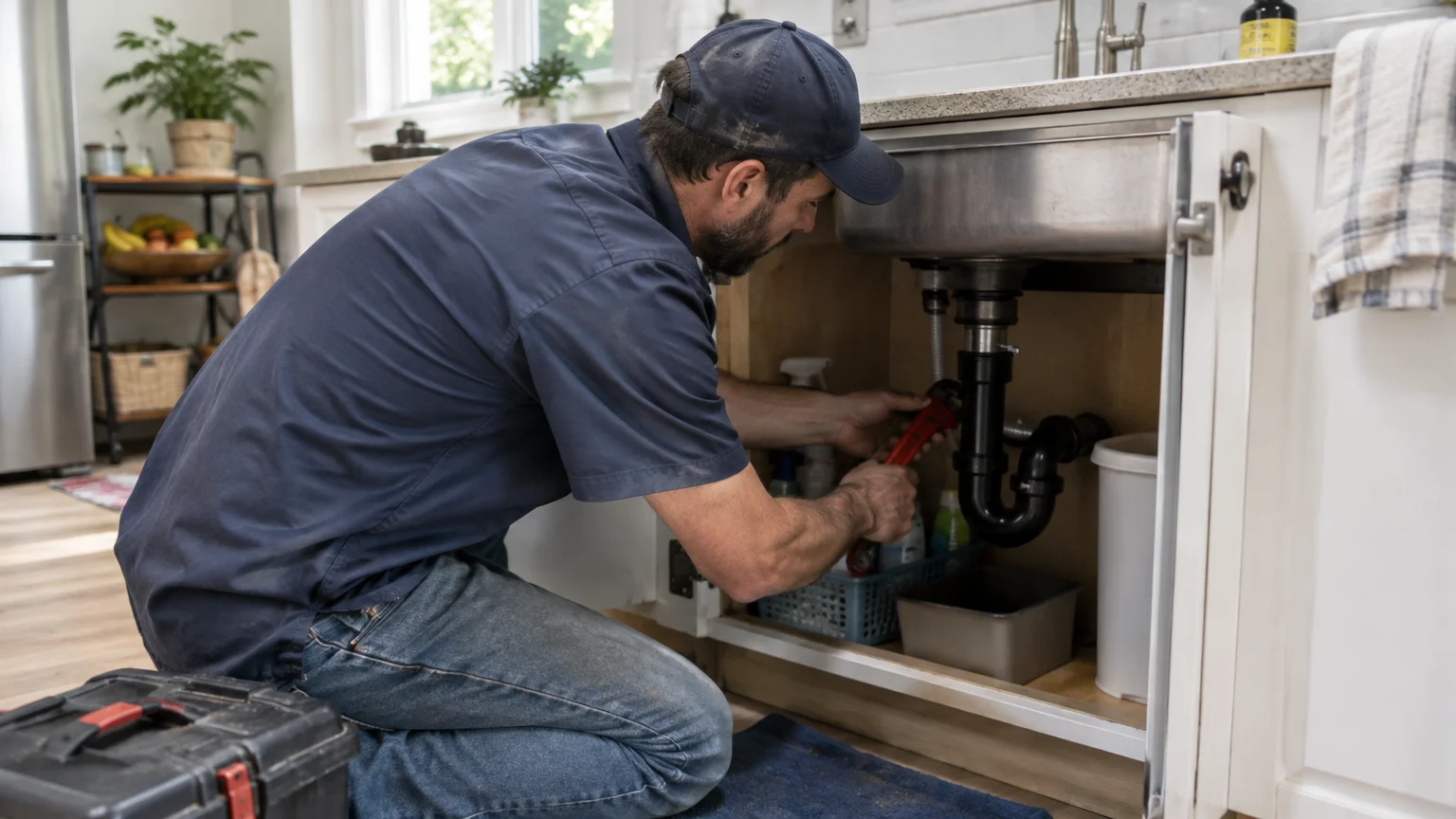
How to prevent drain clogs starts with keeping waste out of your pipes. Use sink strainers, keep grease and food from entering drains, remove bathroom hair, and clean stoppers often. These simple steps protect pipes, reduce backups, and help Valparaiso homes avoid many common plumbing troubles.
What causes household drain clogs?
Household clogs form when waste sticks to the inside of a pipe. Water then moves more slowly. Over time, more hair, grease, food, soap, or dirt sticks to the same spot. A small clog can grow into a full backup.
A drain clog is a blockage that stops wastewater from moving through a pipe. Some clogs sit near the drain opening. Others form deep inside the plumbing system. Basic home cleaning may not reach those deeper clogs.
How hair, grease, food, and soap buildup block drains
Hair is a common cause of bathroom clogs. It catches on drain parts and mixes with soap film. This creates a thick mass that traps more hair. It also leaves less room for water to pass.
Grease and cooking oil cause a different problem. They may flow while warm, but they can cool and stick inside pipes. Food scraps, coffee grounds, flour, and rice can mix with grease. Together, they may form a hard blockage.
Soap can leave a coating inside bathroom pipes. Hard water minerals may add another layer. Mineral buildup means deposits left behind when water dries. These deposits can make a narrow pipe even harder to clear.
Which plumbing habits make clogs more likely
Many clogs start with small daily habits. Flushing wipes, paper towels, or hygiene products can overload toilet pipes. Pouring paint, chemicals, or thick cleaners into a drain can harm pipes and create safety risks.
Do not ignore a drain that keeps slowing down. A drain that clears and then slows again may have a deeper clog. Valparaiso Plumbing can help property owners find the cause before it affects nearby fixtures.
How can you prevent drain clogs in the kitchen?
Kitchen drains stay clearer when solid waste, grease, and fibrous food stay out of the pipe. Use a sink strainer to catch scraps. Let cooking fats cool, then place them in a sealed container for proper disposal. These habits protect the sink drain and the larger waste line.
What should never go down a kitchen sink
A garbage disposal does not make every food item safe for your plumbing. Some foods expand, harden, or wrap around moving parts. Keep these items out of kitchen drains:
- Grease, cooking oil, and melted fat
- Coffee grounds and tea leaves
- Pasta, rice, flour, and bread dough
- Eggshells, bones, and fruit pits
- Fibrous scraps such as celery, onion skins, and corn husks
- Paint, solvents, and harsh chemicals
A disposal should handle only small amounts of suitable food waste. Cold water can help move limited scraps through the line while the unit runs. Follow the maker’s care instructions for cleaning and safe use.
How to maintain garbage disposals and sink strainers
Empty the strainer after each meal. Rinse it with warm water and mild dish soap. Clean the disposal by following its product instructions. Never place your hands inside the opening.
Homeowners do not need a professional for routine strainer cleaning or basic disposal care. Turn off the unit before checking for visible debris. If the disposal jams, leaks, smells strong, or trips electrical protection again, a professional should inspect it.
A kitchen sink should drain at a steady pace without gurgling. If water rises in a second sink when the disposal runs, the clog may be farther down the shared drain. Drain Cleaning may help when home care does not restore normal flow.
How do you prevent clogs in bathroom drains?
Bathroom drains stay open when hair, soap, and dirt are removed before they enter the pipe. A cover or strainer can catch most hair near the opening. Regular cleaning works better than waiting for a full blockage.
How to keep hair and soap from entering bathroom pipes
Clean the shower drain cover often, especially when several people use the bathroom. Lift out trapped hair with a paper towel. Put it in the trash instead of pushing it into the drain.
Bathroom sinks also collect hair, shaving debris, toothpaste, and soap. A small strainer can stop much of this material. If you shave over a sink, wipe away loose hair instead of rinsing it down.
A plunger may help with a simple, shallow clog. Put enough water in the fixture to cover the plunger cup. Stop vigorous plunging if water backs up somewhere else. This may point to a larger drain problem.
Why regular cleaning of stoppers and drain covers matters
Sink stoppers can hold hair and soap below the visible drain. Remove and clean the stopper before this buildup moves deeper. Replace it with care so it seals and works correctly.
Chemical drain cleaners are not always the safest first choice. They can harm some materials and create strong fumes. They may also remain in standing water. Never mix different cleaners. Follow product directions and seek help when a clog does not clear safely.
These habits support long-term plumbing maintenance in Valparaiso. They also help tenants, investors, and property managers notice changes early. Valparaiso Plumbing can check recurring bathroom clogs when cleaning and careful plunging no longer solve the problem.
When should you call a professional plumber about a drain?
A professional plumber should inspect a drain when the same clog returns. Call for help when several fixtures drain slowly or wastewater backs up. These signs may point to a deep clog, damaged pipe, root intrusion, or a main sewer problem. Home care cannot always find or reach these issues.
Warning signs that a recurring clog needs expert attention
One slow drain may have a nearby blockage. Several slow drains may mean the problem is farther through the plumbing system. A professional can test the system and find where water flow is restricted.
Important warning signs include:
- The same drain clogs again soon after cleaning
- Toilets bubble when sinks, tubs, or appliances drain
- Water backs up into a shower or floor drain
- Several fixtures become slow at the same time
- The drain gives off a strong sewage smell
- A pipe leaks near a wall, ceiling, or cabinet
A leak may need fast attention even when the drain still works. Water can spread behind walls and damage nearby materials. If a pipe bursts, shut off the water supply when safe. Stay away from nearby electrical areas and arrange Emergency Plumbing help promptly.
What to do when plunging and basic maintenance do not work
Stop adding water when a fixture backs up. Remove standing water only when it is safe. Keep children away from the area. Repeated plunging can push a clog deeper or harm a weak fixture.
A professional may use a drain cable, inspection camera, or other equipment. The right method depends on the pipe location, material, access, and cause. A trained plumber can also check for leaks, damaged joints, or a larger sewer problem.
Key takeaways
- Use strainers to catch hair and food before they enter drains.
- Keep grease, coffee grounds, and expanding foods out of kitchen sinks.
- Clean bathroom stoppers and shower covers on a regular schedule.
- Treat repeated clogs, sewage smells, and several slow drains as warnings.
- Contact Valparaiso Plumbing for drain help when safe home care does not work.
Frequently Asked Questions
Can hot water prevent kitchen drain clogs?
Hot water may move small amounts of soap or light residue. It will not remove every grease clog. Grease can cool farther inside the pipe and stick again. The best prevention is keeping oil, fat, and food scraps out of the drain.
Is it safe to use baking soda and vinegar in a drain?
This method may loosen light residue, but it will not solve every clog. Never use it with commercial drain chemicals. If a drain stays slow, backs up, or smells like sewage, professional testing is safer than repeated home treatments.
Why does the same drain keep clogging?
A recurring clog may mean waste remains inside the pipe. It may also mean poor flow or a deeper line problem. A professional can check the drain and nearby fixtures. Repeated chemical use may hide the signs without fixing the cause.
When is a drain clog an emergency?
A clog becomes urgent when wastewater backs up, several fixtures stop draining, or sewage smells appear. A leak or burst pipe also needs prompt action. Shut off the water supply if safe and contact professional plumbing support without delay.
Conclusion
Learning how to prevent drain clogs helps protect kitchens, bathrooms, and larger plumbing lines. Simple habits make the biggest difference: catch waste, keep grease out, clean drain parts, and respond to slow flow early. When problems return or spread, professional testing can help prevent more damage.
Contact us today to arrange dependable drain help for your home or property in Valparaiso.