

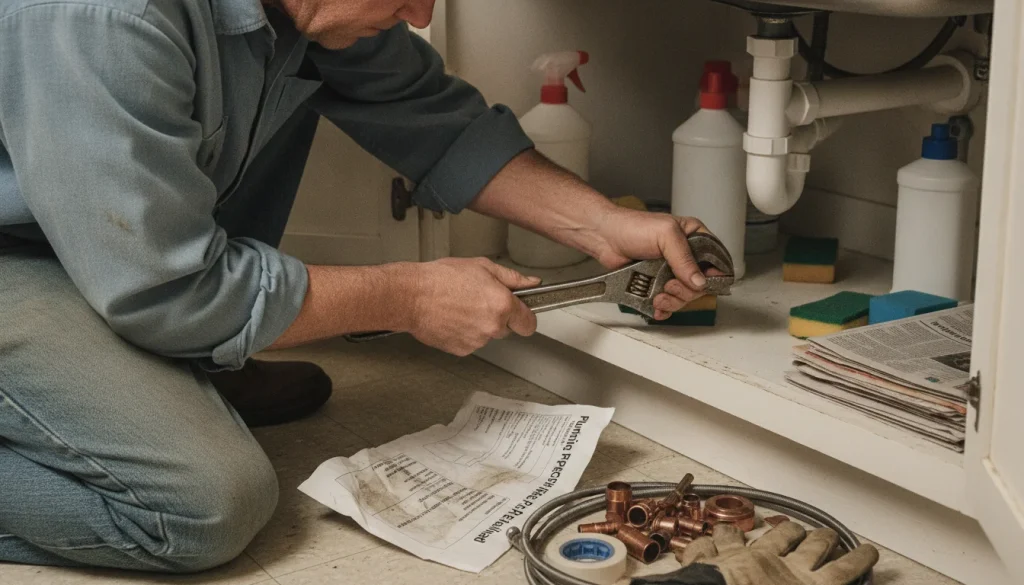
In a hurry and want clarity on plumbing expenses? Here is the direct answer: common plumbing repair costs vary, and the final bill depends on labor time, parts, access conditions, scheduling, and code requirements. This guide breaks those factors down in plain language so property owners in Valparaiso can confidently plan next steps and compare quotes on equal terms.
Key Takeaways
- Costs are driven by labor, parts, access, timing, and code—not a single flat rate.
- Clear descriptions, photos, and fixture details help plumbers scope work accurately.
- Diagnostics (like camera inspections for drains) reduce guesswork and prevent repeat issues.
- Valparaiso home age, materials, and local conditions can influence repair methods.
- Compare written scopes and warranties to judge value—not just the headline estimate.
Table of Contents
- Quick Answer: What Common Repairs Involve
- What Drives Plumbing Costs in the US
- Leak Detection and Repair: From Drips to Slab Leaks
- Blocked Drains and Sewer Line Clearing Costs
- Toilet, Faucet, and Fixture Repairs: Repair or Replace?
- Water Heater Repairs vs. Replacement Costs
- How to Get and Compare Quotes You Can Trust
1. Quick Answer: What Common Repairs Involve

Most households face a familiar set of plumbing issues: leaky faucets, running toilets, slow or blocked drains, water heater troubles, and occasional burst or leaking pipes. A “common” plumbing repair is work a licensed professional can complete without major structural changes—think clearing a sink trap, replacing a toilet fill valve, or tightening a loose supply line.
While it’s tempting to ask for one number, common plumbing repair costs shift with the specifics. The same leak might be straightforward under a sink but complex inside a tiled wall. Tight access or hidden components can add time. Scheduling also matters—night, weekend, and holiday work usually carries a premium compared to a regular weekday slot. Because no two situations are identical, quotes will differ based on scope and site conditions.
To plan effectively, describe the problem clearly: where the drip or clog occurs, how long it’s been present, and what you observe (sounds, smells, stains). Share the fixture brand and approximate age when possible. Take photos that show the affected area and nearby shutoff valves. Ask for a written scope that outlines labor steps, parts, and likely contingencies, then compare scopes between providers. If walls, gas components, or structural elements are involved, look for notes about permits or code.
If water is running uncontrolled, turn off the nearest shutoff valve or the main valve to limit damage. The main shutoff is typically by the water meter or where the line enters the home. Shutting it off buys time until Emergency Plumbing can arrive.
2. What Drives Plumbing Costs in the US
A final invoice reflects several core factors: labor, parts, access, and timing. Labor is the on-site diagnostic and repair time. Parts include cartridges, wax rings, valves, gaskets, sections of pipe, and specialized components. Access covers how challenging it is to reach the problem; a cabinet leak is faster to reach than a ceiling or slab leak. Timing refers to when work is scheduled; urgent after-hours visits typically cost more than routine appointments.
Property and build type also affect the process. Single-family homes often allow simpler access compared with multi-story buildings. Older homes can include a mix of legacy materials or DIY alterations that introduce extra steps. When work involves gas lines, water heaters, or main drains, expect safety checks and code compliance measures. A permit—formal approval to perform certain work—may be required for larger changes such as water heater replacement or sewer line repairs.
Some risks can extend timelines. Hidden water damage may require drying and cleanup; mold adds additional protective steps. Older galvanized or polybutylene piping can be brittle and may fail when disturbed, prompting broader upgrades to modern materials.
Part availability varies by brand and age. Hard-to-find cartridges or specialty valves can delay work due to special ordering. For heaters, an anode rod—a sacrificial metal core that attracts corrosion—slows tank rust. Replacing worn parts proactively can help avoid larger repairs later.
In short, total plumbing costs are driven by time, access, parts, code needs, and risk factors. Sharing clear details with your plumber upfront helps streamline planning and reduce surprises.
3. Leak Detection and Repair: From Drips to Slab Leaks
Water leaks appear in many forms. A slow faucet drip is obvious, while hidden leaks in walls, ceilings, or slabs require tools and methodical testing. Leak detection identifies the exact source using techniques such as moisture meters, thermal imaging, and acoustic listening. These approaches pinpoint the wet area more precisely, limiting how much finish material must be opened.
Your observations help sharpen diagnostics. Note when the leak occurs—constantly or only when a fixture runs. Watch for ceiling stains, softened drywall, buckled flooring, or musty odors. Photos are invaluable. With better evidence, a pro can open a smaller test section to confirm moisture, limit damage, and avoid guesswork.
Understand the difference between supply and drain leaks. Pressurized supply leaks can spray or drip even when fixtures are off, so shutoff speed matters. Drain leaks typically occur only when water flows from a sink, tub, or toilet. Common repairs may involve compression fittings, PEX couplers, or new sections of copper or PVC. For faucets, fresh cartridges or O-rings often end drips. Toilets may need new fill valves or flappers. For slab leaks—leaks in pipes within or beneath the concrete foundation—rerouting lines above the slab may be preferable to opening large areas of concrete, provided code and structural considerations are met.
A note on conservation: even small leaks waste significant water over time, and quick fixes can cut daily waste meaningfully (EPA WaterSense). Early action protects both your utility budget and your home.
4. Blocked Drains and Sewer Line Clearing Costs
Clogs range from a slow sink to a full sewer backup. Shallow fixture clogs often clear with a hand auger—a flexible cable that breaks up hair and soap buildup. For toilets, a closet auger navigates past the trap bend to resolve soft obstructions. Snaking, which uses longer cables, reaches deeper into piping when a clog sits beyond the fixture trap.
Main line problems usually show as backups in low-level fixtures like floor drains or tubs. If several fixtures back up simultaneously, the blockage could be in the main sewer line. Common culprits include roots, mineral scale, and grease. A camera inspection—sending a video scope through the line—helps identify the cause, location, and pipe material so you can choose an appropriate remedy.
Hydro jetting uses high-pressure water to scrub pipe interiors, removing heavy grease, scale, and root intrusion that basic snaking can leave behind. It’s particularly useful for older lines with persistent buildup. After clearing, a follow-up camera pass confirms the result and establishes a visual baseline for future comparisons.
Preventing repeat clogs starts with understanding the root cause. Kitchen lines often accumulate fats, oils, and grease; baths collect hair and soap scum. In older clay sewer laterals, roots frequently enter at joints. A long-term plan might combine periodic Drain Cleaning, targeted spot repairs, or partial line replacements. If storms have triggered past backups, consider maintenance before the next rainy period. When an active backup occurs, calling Emergency Plumbing helps contain damage quickly.
In Valparaiso, local soils, older lateral materials, and tree species can influence how lines age. Sharing your home’s age and any past sewer work with Valparaiso Plumbing lets the team tailor methods and schedule the right equipment from the start.
5. Toilet, Faucet, and Fixture Repairs: Repair or Replace?
Toilets, faucets, and shutoff valves wear over time. Running toilets waste water and raise bills; common solutions include new flappers, fill valves, or wax rings (the seal between a toilet base and the drain). A failed wax ring may reveal itself as moisture near the base or sewer odors. For faucets, replacing worn cartridges or seats often stops drips.
It’s wise to weigh repair against replacement. Replacement may be practical when parts are scarce, the fixture is very old, finishes are degraded, or you prefer updated features and water efficiency. WaterSense-labeled fixtures meet EPA criteria for performance and conservation, helping reduce consumption without sacrificing comfort (EPA WaterSense).
Assess the full setup before committing. A new faucet might call for updated supply lines or serviceable shutoff valves. If existing valves are corroded or frozen, plan to replace them during the same visit. With toilets, check flange condition and floor level to ensure a reliable seal. For tubs and showers, mixing valves and cartridges govern temperature and flow; fluctuating temps or sudden pressure changes can indicate wear. Some brands permit fast front-access repairs; others may require access from behind the wall, with tile removal and subsequent patching. Coordinating Kitchen Plumbing and Bathroom Installations ensures that function and finish align.
When comparing options, request a clear parts list and warranty terms. Robust parts-and-labor coverage can be valuable, especially in busy homes, rentals, or commercial settings where downtime matters.
6. Water Heater Repairs vs. Replacement Costs
No hot water is a frequent call. Helpful details for your plumber include the heater type (tank or tankless), fuel (gas or electric), and approximate age. Tank models store hot water, while tankless units heat on demand; each style has distinct components and service routines. Electric tank heaters may require new elements or thermostats, while gas models might need gas control valves, ignition components, or venting checks.
An anode rod protects a tank from rust by attracting corrosion. Once depleted, tank corrosion accelerates; timely replacement can extend service life. The temperature and pressure relief valve is a critical safety device that opens if internal pressure rises; persistent dripping warrants inspection. For tankless units, mineral scale can cause error codes; descaling and filter maintenance are part of normal care.
When deciding between repair and replacement, consider age, service history, part availability, and household demand. Many tank heaters can operate for years with regular maintenance, and tankless systems can last longer with proper service (Energy.gov on water heating). A leaking tank typically calls for replacement. If necessary parts are scarce or breakdowns recur, a new unit may be more practical. Also reassess hot water needs—growing families, added bathrooms, or rental turnover may justify a different capacity or technology.
Work on gas supply and venting must meet code to protect indoor air quality. Changes in fuel type, capacity, or location may require permits. Discuss access, drain pans, seismic restraints, and drip legs where applicable. For same-day hot water restoration, coordinating through Emergency Plumbing can help secure quicker scheduling.
Indiana’s seasonal temperature swings can stress water heaters. Sharing recent error codes, unusual noises, and clear photos with Valparaiso Plumbing helps the technician bring the right parts and minimize downtime.
7. How to Get and Compare Quotes You Can Trust
Hiring a licensed plumber is about more than the bottom line—you want clarity, safety, and work that lasts. Start by confirming license and insurance. Ask for proof of an active state license, general liability coverage, and workers’ compensation for crews. Code compliance is essential; the Uniform Plumbing Code and local amendments protect health and safety, and your contractor should explain permit needs in straightforward terms (IAPMO UPC Overview).
Ask targeted questions to reduce uncertainty. What is the defined scope? Which parts are being replaced? How will access be created and restored? What conditions could change the plan once walls or ceilings are opened? How long will water service be interrupted? Will the team document conditions with before-and-after photos? What are the warranty terms on parts and labor? How are change orders approved and priced? Clear answers help you anticipate timeline and outcomes.
For larger jobs, get two or three written scopes and compare methods, not just the headline number. One plan may be a short-term patch; another might propose a more durable rebuild using upgraded materials. If one estimate is markedly low, check for missing line items like cleanup, finish repairs, or permit fees. Reviews can reveal service patterns—on-time arrivals, tidy job sites, and reliable follow-up matter more than isolated anecdotes.
For urgent situations, ask about response times and stabilization steps. Leaks & Burst Pipes and Emergency Plumbing focus on rapid shutoff and safe triage. For remodels, coordinate with Bathroom Installations and Kitchen Plumbing so rough-in, fixture choices, and finishes align. For appliances or fireplaces involving gas, engage Gas Line Plumbing for code-compliant connections and tests.
If you prefer local help, Valparaiso Plumbing serves Valparaiso and nearby neighborhoods. Many owners like working with a trusted local team “near me” for faster scheduling and easier follow-up. Share photos, ages of fixtures, and known history early, and you’ll receive more accurate scopes.
Frequently Asked Questions
How do I decide if a leak needs urgent help?
Most leaks require prompt attention, but pressurized supply leaks are urgent. If water flows with fixtures off, shut the main valve and request emergency help. Brown ceiling spots, warm floor patches, or hissing in walls can indicate hidden leaks. Quick action limits damage and mold risk.
What should I do first when a pipe bursts?
Turn off the main water valve immediately. Open a lower-level faucet to relieve pressure. Move valuables away, use towels to slow spread, and avoid electrical outlets; switch off power if water approaches them. Then have a licensed plumber assess repairs and drying needs.
- Can a plumber replace an anode rod in my water heater?
Yes. An anode rod helps protect a tank from rust. A plumber can check its condition and replace it if worn. This maintenance can extend service life. Share the heater brand, size, and age so the correct part is on hand.
Do I need a camera inspection for a recurring drain clog?
Often, yes. A camera reveals the cause (roots, breaks, or a belly) and exact location. With that insight, you can choose the right fix—from snaking to hydro jetting or a targeted repair—and reduce the chance of repeat clogs.
How do I compare quotes for common plumbing repair costs?
Request itemized scopes listing labor steps, parts, access plans, and code notes. Confirm warranty terms and how change orders are handled. Compare methods and materials, not only the top-line figure, to judge long-term value.
Key takeaways
- Costs vary with labor time, parts, access, timing, and code requirements.
- Good diagnostics up front reduce guesswork and minimize openings in walls or floors.
- Share photos, fixture ages, and brands to speed accurate scopes and repairs.
- For stubborn clogs, camera inspections and hydro jetting can provide longer-lasting results.
- Compare written scopes and warranties so you can hire with confidence.
Conclusion
Plumbing issues can feel urgent, but a clear plan makes them manageable. Describe symptoms precisely, gather photos, and ask for a written scope that details parts, access, and code steps. For leaks, drains, toilets, or water heater concerns Valparaiso Plumbing can deliver prompt, code-safe help tailored to local conditions. Contact us.
If you are not sure which of these you are dealing with, it is worth having someone look at it before it turns into a bigger job. Get in touch with Valparaiso Plumbing today and we will tell you where you stand.